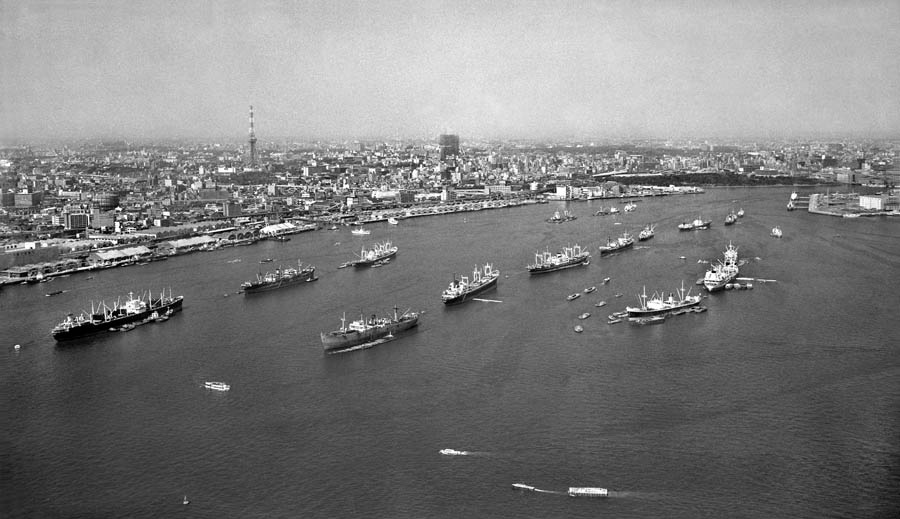
In 2013 Kyodo opened its archives for an exhibition showcasing Tokyo photos from the 1960s mainly. By juxtaposing them with shots from the same angle today, the incredible transformation of Tokyo over the decades becomes visible. I stumbled over its website where many of works can be seen. A small selection with links to posts from this blog after the jump.
Author Archives: benbansal
Spectacle nation-building: 1964 Olympics
The 1964 Tokyo Olympics and the 1970 Osaka Expo were the two mass events that shaped the world’s view of post-war Japan. Within Japan, they also helped to foster a new sense of national identity. And for all the visual prowess these events commanded and progress they reflected, there was a darker side to them. I will begin by looking at the 1964 Olympics.
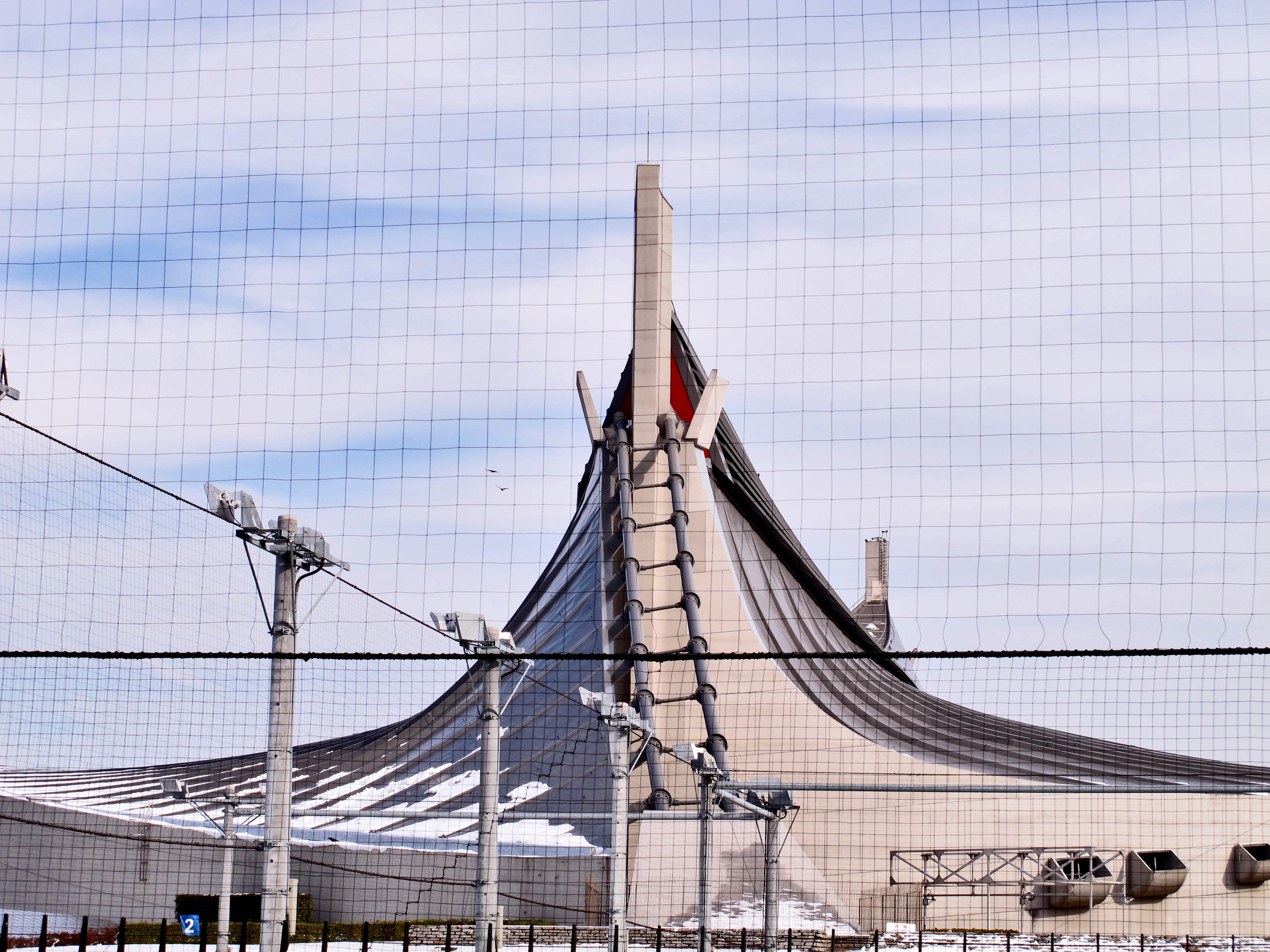
Yoyogi National Gymnasium (Kenzo Tange) – 1964
Junzo Sakakura (&Associates)
Junzo Sakakura (1901-1969) was one of the fathers of modern Japanese architecture. He left a huge legacy in the built environment of post-war Tokyo, perhaps most notably through his designs for Shinjuku and Shibuya stations.
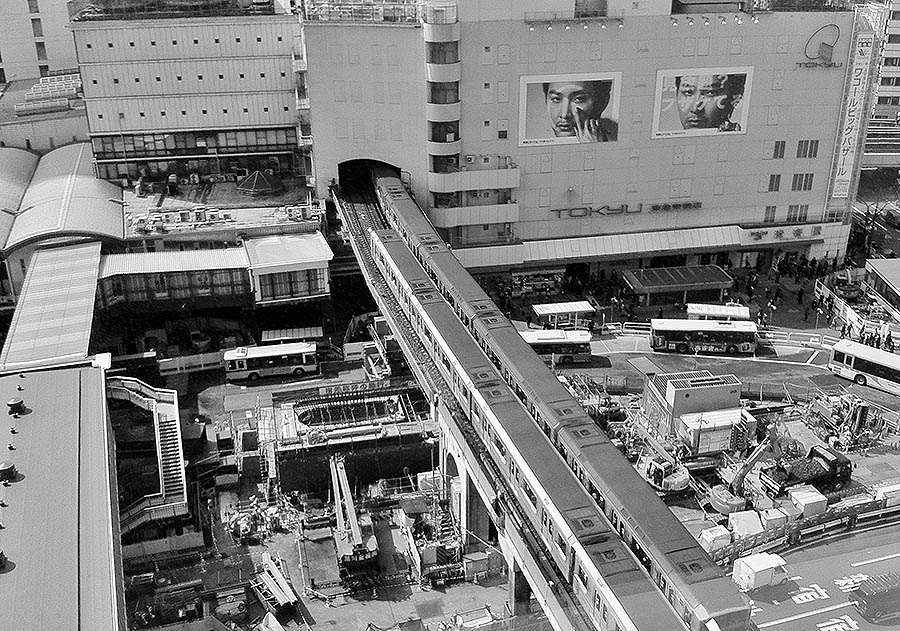
Shibuya station seen from the east
Gehry on Alexanderplatz
It’s official: US investor Hines will go ahead with a Frank Gehry design and build Germany’s tallest residential tower smack in the middle of Alexanderplatz. At the same time, an old master plan is to be revived. What to make of all this?

Gehry’s tower will rise to the right of the Saturn electronics store, across the street from the GDR-era “Haus des Reisens” (with the Sharp advertisement on its top) – here is a rendering

1964 Transformations
I am planning to pitch a piece on the 1964 Tokyo Olympics and the urban transformation the Games brought about. Besides some of Manuel’s photos, I want to use a slide I bought on ebay the other day (see below). We look up north across the newly-built expressway connecting Haneda airport with the city centre. The monorail track is to the right. More info here. Article abstract after the jump (comments more than welcome!).

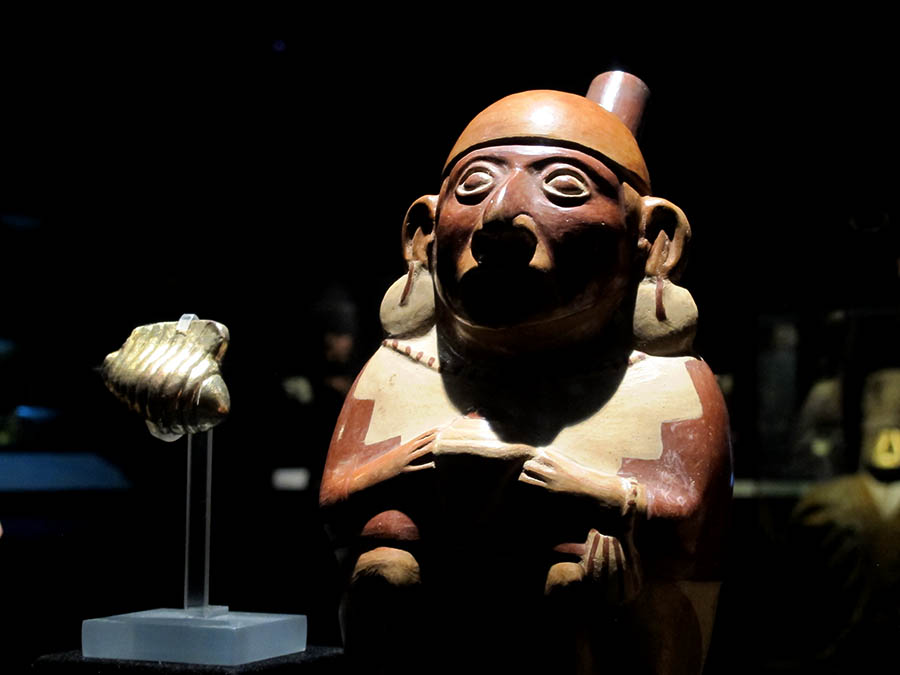
Lima stopover
To conclude the travelogue writing that has dominated this blog for some time now, herewith some impressions from our brief stopover in Peru. Two nights were too short to venture out of Lima. But there was enough to keep us busy in town.
Argentina
As evident from the flurry of posts put up here over the last couple of days (buildings, Puerto Madero, Torre Dorego, Museo Xul Solar, Clorindo Testa and MAMBA/MACBA), my wife and I just got back from ten days in Buenos Aires (plus a short stopover in Lima on the way back). This was my second time in this fascinating city and country. Below some personal observations.
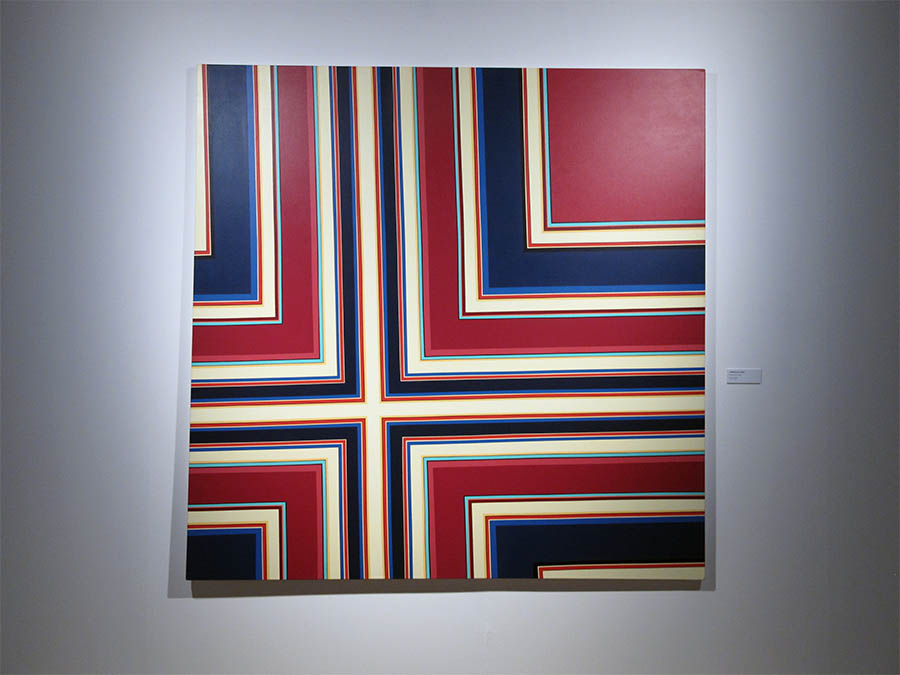
Veronica di Toro, Simetrica No. 16, 2009, on display at MACBA
Buenos Aires buildings
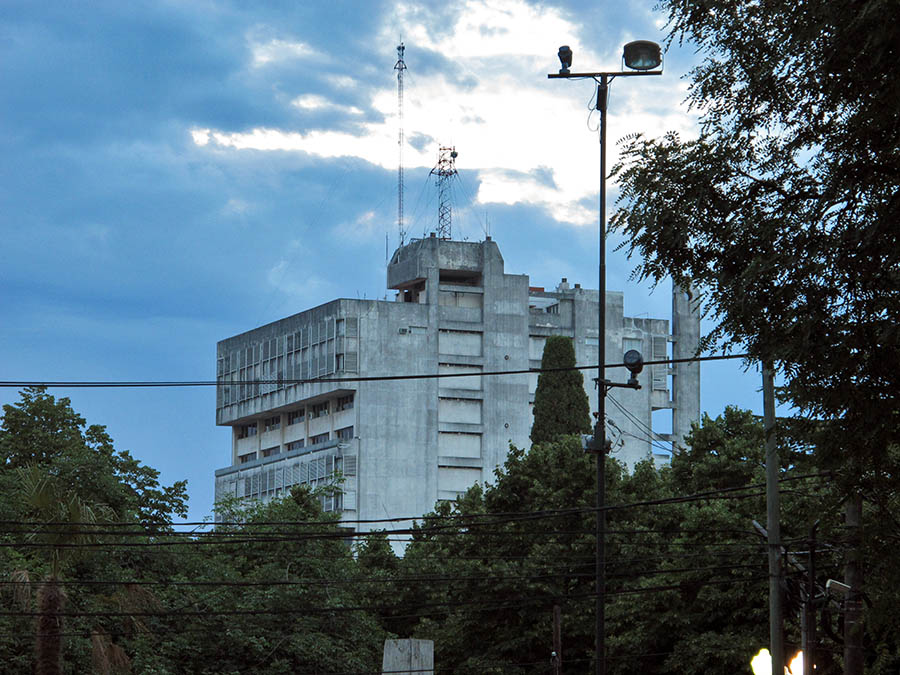
Back from Argentina I have quite a few architectural shots I don’t necessarily want to cast a post around. Herewith a few unsorted impressions of some buildings that caught my eye while exploring Buenos Aires.
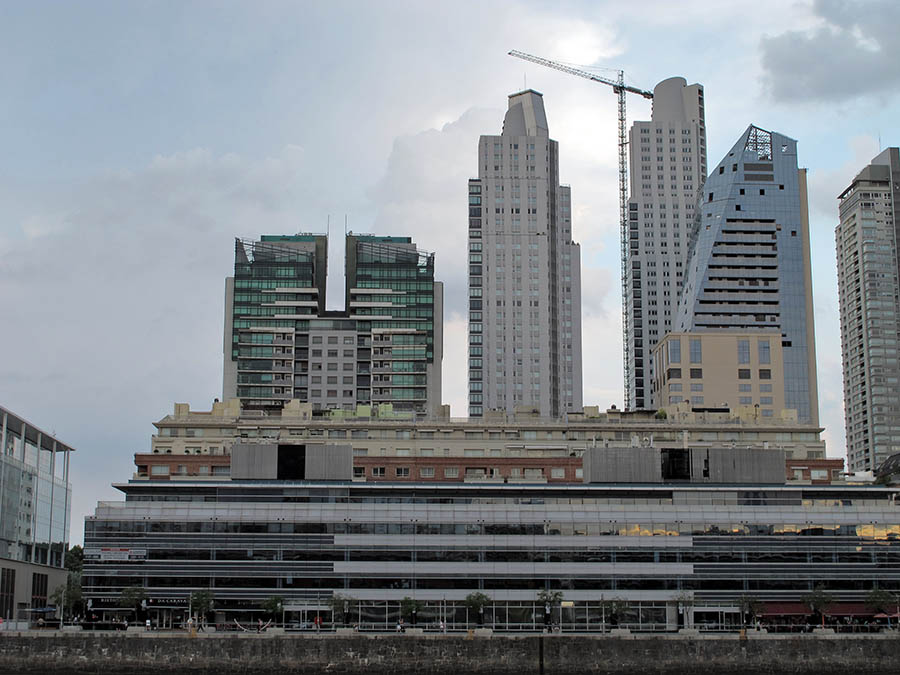
Puerto Madero
Puerto Madero is Buenos Aires’s ambitious waterfront urban regeneration project in the old port area, along the riverbank of the Rio de la Plata. While construction is ongoing, the area has already become one of the city’s richest. Herewith some photos taken during a recent stroll.
Torre Dorrego
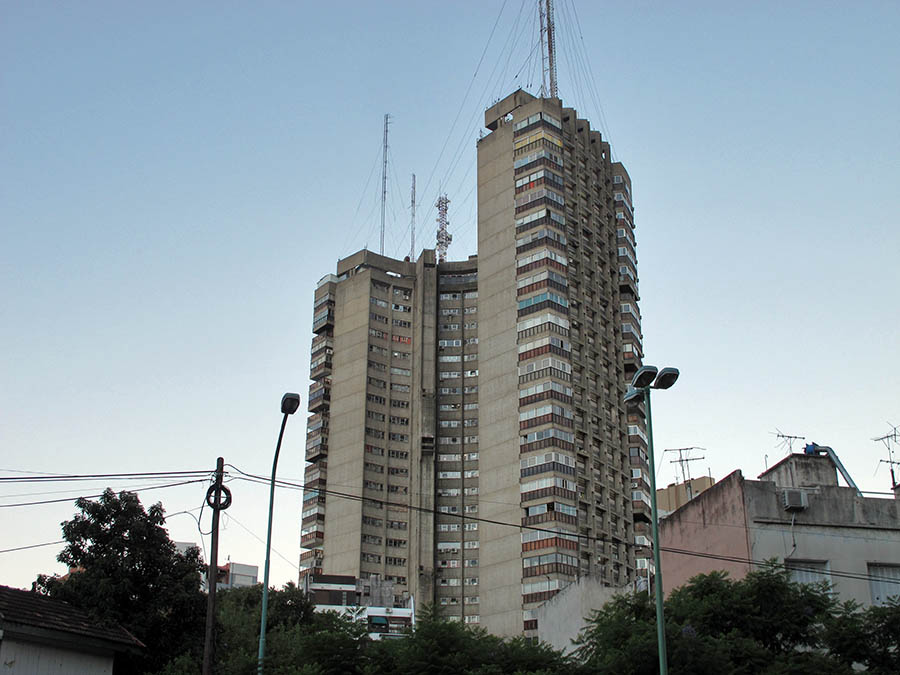
Inaugurated in 1971, Torre Dorrego is a Brutalist residential building. It towers above Buenos Aires’ Palermo neighbourhood. Its unique shape gives it a certain lightness. The many antennas on the roof emphasise its vertical shape.