Rest of world architectural (reading) guide

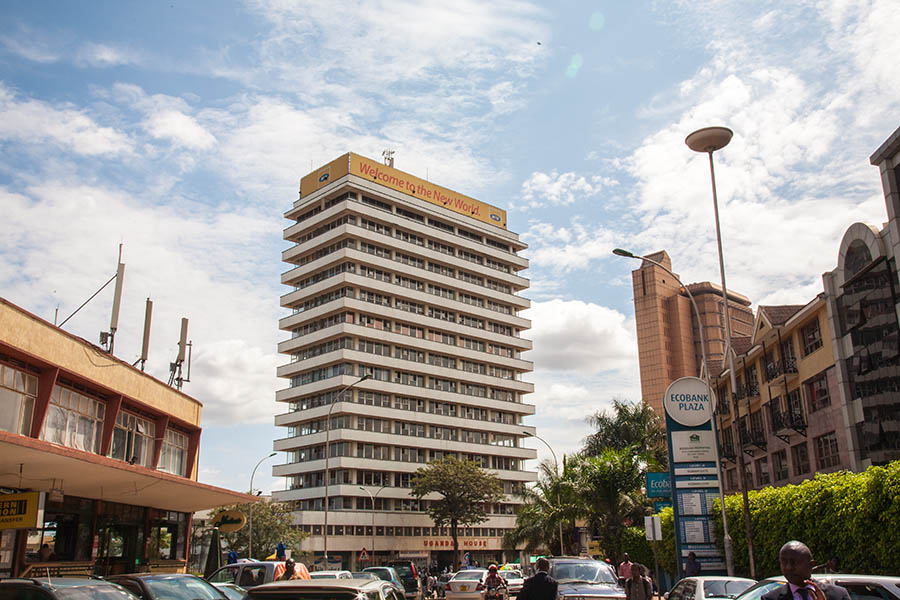
My architecture writing heyday between 2012-2015 was the pre-kids period when I was traveling a lot more than today. Some of the following posts thus have a little travelogue ring to them. With Tokyo and North America done, let’s take the remaining buildings geographically, and go on a little tour down memory lane to Latin America (mainly Argentina, but also Brazil), Europe (mainly Germany, but also London and some other places), Africa, and Asia. What is missing in all this is a post from my current whereabouts, Australia. In what time I have left here, I shall strive to find that one tell-all building. Until then, I shall seek inspiration in the following pages.

Continue reading

North America architectural (reading) guide

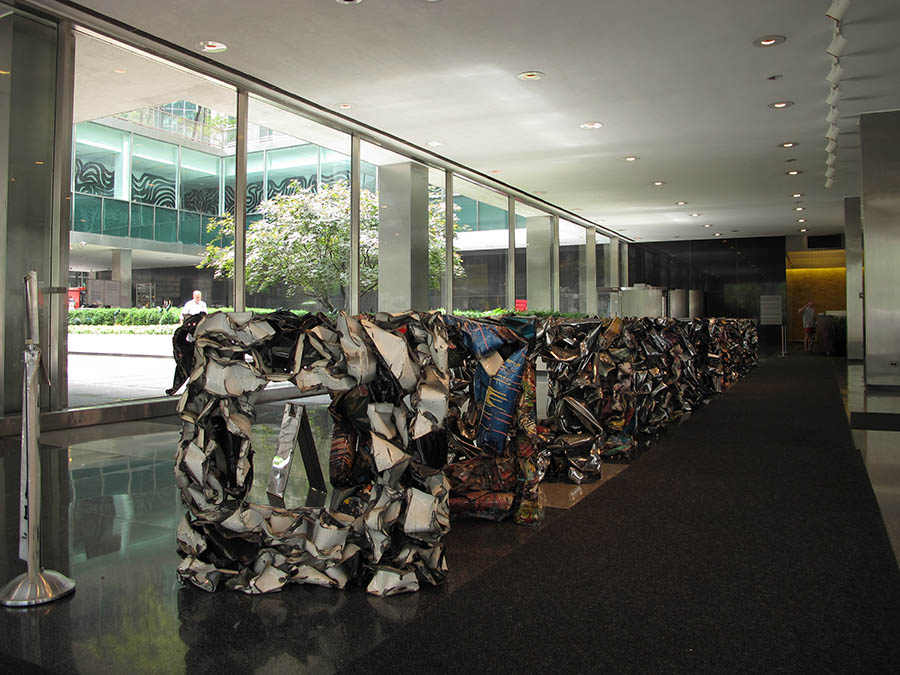
In what feels like half an eternity away, I lived in the States for two years from 2013-2015. Having caught the architecture bug in Tokyo before, I set out to explore the places I lived in and traveled to with an eye for important buildings and their stories. There is probably no better place in the world to satisfy these passions than New York. During countless rectilinear walks, I tried to learn about the city via its architecture. I did so from our base in Harlem, which then became the blog’s mainstay for a while.

Continue reading

Tokyo architectural (reading) guide

Architecture has been a big passion of mine since I have lived in Tokyo. Iconic buildings from the postwar era brought to life the Japanese economic miracle, and I began portraying some of them here. It ended up being one of the mainstays of this blog, with more than 100 buildings or structures featured, not just in Japan but on all five continents.

What follows is a mini-guide of Tokyo’s architecture as written about on this blog, with an emphasis on the postwar period from 1950-1970. The buildings span architectural masterpieces by Japan’s starchitects, spiritual buildings and complexes, and relatively unknown gems. Collectively they help paint a picture of the remarkable transformation this country and this city has undergone (and to some extent still is).

Continue reading

Construction productivity losses and prefab housing

For those in the political center, housing policy is primarily viewed from a supply side angle. We need to build more so that prices come down, goes the mantra. New housing construction and its affordability is inherently linked to housing productivity, i.e., how much share of a building a worker can build in an hour, or more elegantly, a worker’s gross value added per hour (which accounts for quality related aspects of new housing).

Housing productivity is down everywhere in the developed world. One reason that is often cited is the Baumol Cost Disease, i.e., productivity in labor-intensive sectors is stagnant and thus the cost of products produced or services rendered increases faster than inflation. With much of the work unautomated and provided custom-made on site, the construction sector is a case in point, almost as intuitive as the hairdresser usually chosen an an example.

However, a significant explanation for falling productivity is also related to its measurement. If a builder sells you a prefab house and assembles it on site for you (with some additional material), much of the gross value added is now accounted for in intermediary goods, causing overall productivity to fall.

I first came across this interesting debate while listening to an episode of the Ezra Klein Show a while back. Jake Auchincloss, a member of Congress from Massachusetts, suggested the Cost Disease in construction is one of the main drivers of the cost of living crisis. And hence the way to alleviate this problem is by getting more prefabricated housing into the mix.

Continue reading

Tripitaka on my mind

A short but beautiful trip in late 2019 was the last time I managed to set foot in Yangon, visiting the magical Tripitaka Library and being shown around inside. A few photos from the inside below, dug up from the SD card today. Looking at them feels strange, it is February 2021 after all and our friends in Yangon are going through some hard times.

Continue reading