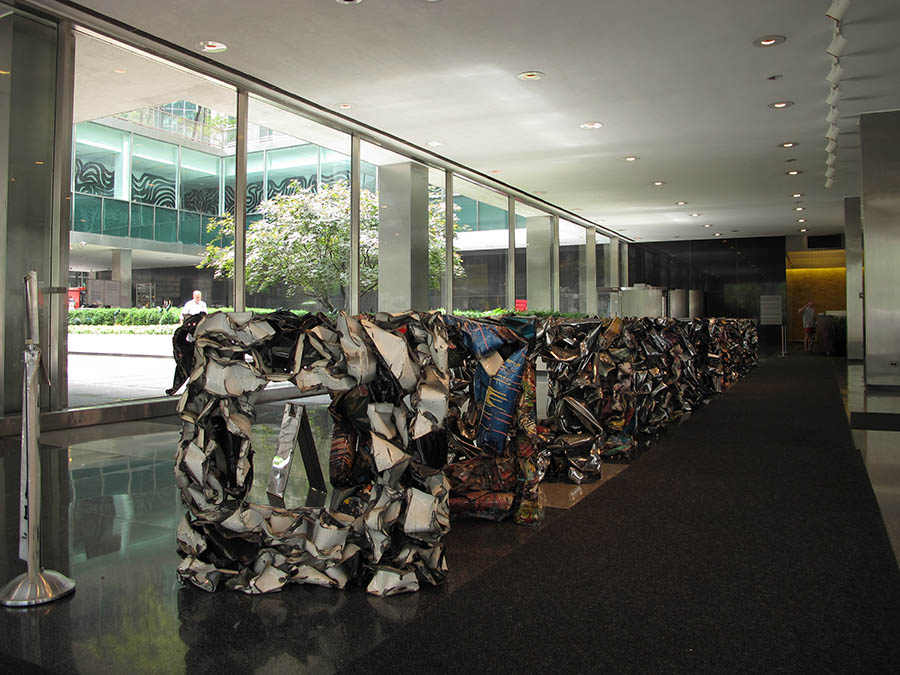
Redesign

I started this blog in 2012. Fourteen years later, there are more than 400 posts and 250,000 words, enough for 2-3 books on here. During all that time, I resisted the temptation to redesign the page or do any other major tech improvement to my online persona. AI has changed that to some extent. While I don’t use AI for any of my writing on the blog, it does help wonders with the coding and design tweaking.

Among the major changes are a static byline at the top, welcoming new readers. Most of the traffic to this page comes from search engines (for how long, one has to wonder, in an age of increasingly reductive intra-chatbot research?). The people who click on the home link can now find clear information on where they have landed. I have also started putting together some curated posts summarizing the content on this blog in a more orderly, thematic way. There are now also photos on the right, encouraging me to pick up my old camera and go out to document the world around me visually. A better category and date archive makes navigating the page easier, especially for myself when I’m looking for something.

More than anything, this little redesign is a commitment to keep writing in this space even as new and exciting other opportunities come around. I cannot overemphasize the stability and grounding this blog has given me over the years. The next birthday post is due next year (see here for the 2017 and 2022 editions). I hope I have some exciting new stuff to report and to thank this public notepad for then.
Teaching at TUJ reading guide

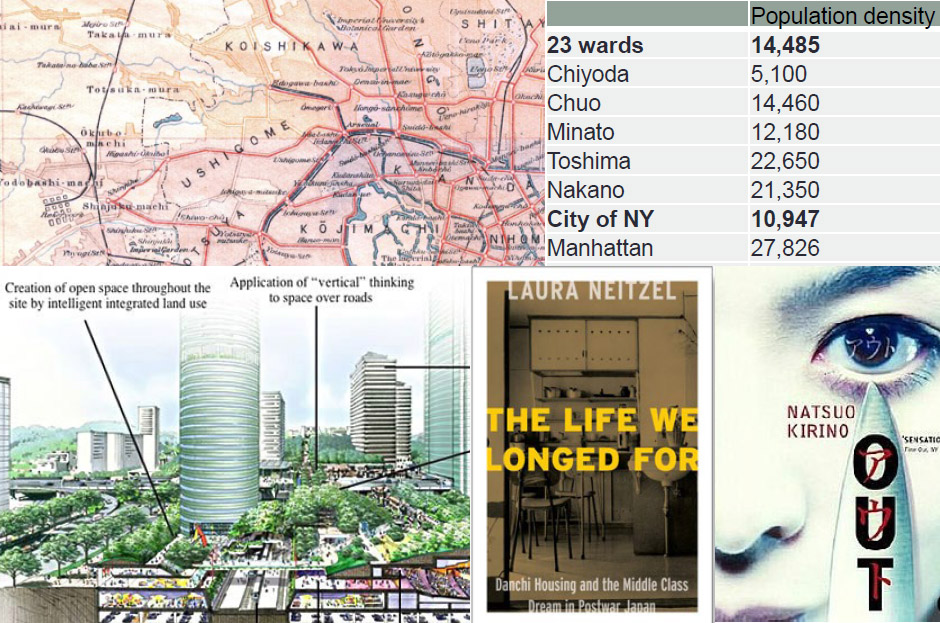
Here’s an overview of the classes I developed and taught at TUJ a few years ago. They ranged from development economics to urban studies. Temple University Japan is the Japan campus of Philadelphia based Temple University. They have been around since the 1980s, and have grown significantly in the last couple of years, in line with the global appeal of Japan (and its undervalued exchange rate).

Continue reading

Rest of world architectural (reading) guide

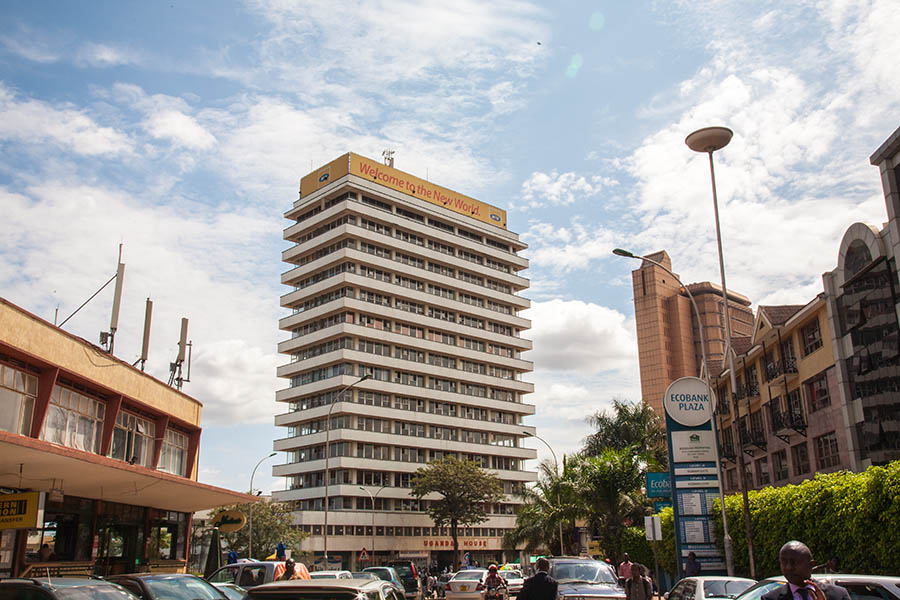
My architecture writing heyday between 2012-2015 was the pre-kids period when I was traveling a lot more than today. Some of the following posts thus have a little travelogue ring to them. With Tokyo and North America done, let’s take the remaining buildings geographically, and go on a little tour down memory lane to Latin America (mainly Argentina, but also Brazil), Europe (mainly Germany, but also London and some other places), Africa, and Asia. What is missing in all this is a post from my current whereabouts, Australia. In what time I have left here, I shall strive to find that one tell-all building, seeking inspiration in the following pages.

Continue reading

North America architectural (reading) guide

In what feels like half an eternity away, I lived in the States for two years from 2013-2015. Having caught the architecture bug in Tokyo before, I set out to explore the places I lived in and traveled to with an eye for important buildings and their stories. There is probably no better place in the world to satisfy these passions than New York. During countless rectilinear walks, I tried to learn about the city via its architecture. I did so from our base in Harlem, which then became the blog’s mainstay for a while.

Continue reading

Tokyo architectural (reading) guide

Architecture has been a big passion of mine since I have lived in Tokyo. Iconic buildings from the postwar era brought to life the Japanese economic miracle, and I began portraying some of them here. It ended up being one of the mainstays of this blog, with more than 100 buildings or structures featured, not just in Japan but on all five continents.

What follows is a mini-guide of Tokyo’s architecture as written about on this blog, with an emphasis on the postwar period from 1950-1970. The buildings span architectural masterpieces by Japan’s starchitects, spiritual buildings and complexes, and relatively unknown gems. Collectively they help paint a picture of the remarkable transformation this country and this city has undergone (and to some extent still is).

Continue reading