In lieu of a proper post (it’s been quiet here for a while), herewith some recent photos. I resurrected my compact camera a few days ago, and am very happy to give the usual smartphone shots a break.
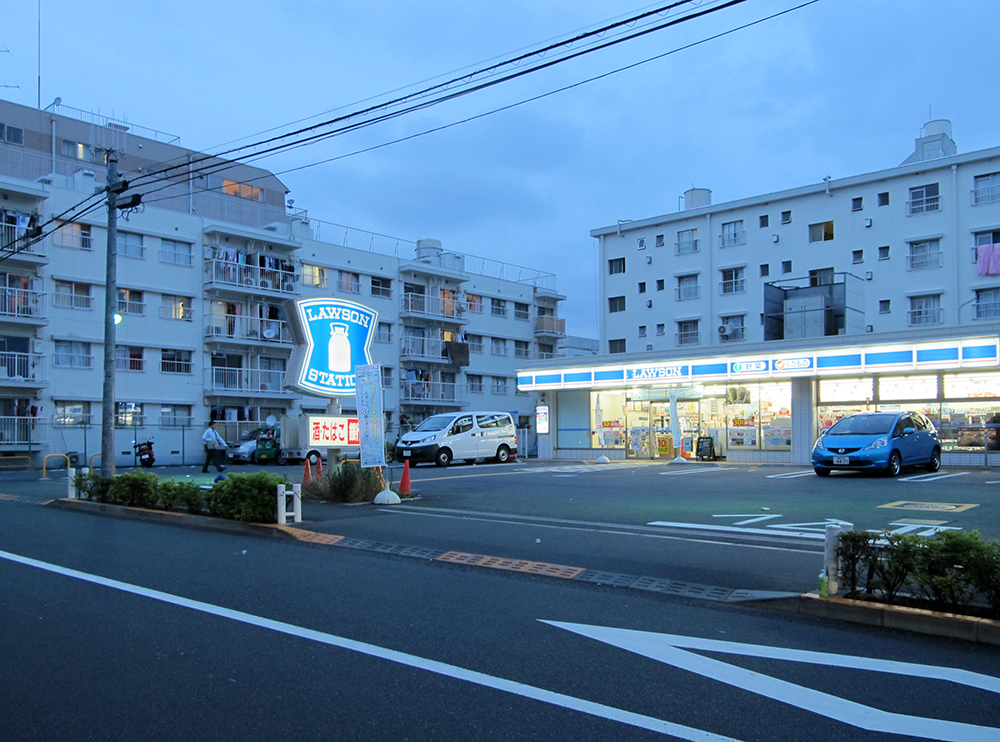
Nakano-ku
In lieu of a proper post (it’s been quiet here for a while), herewith some recent photos. I resurrected my compact camera a few days ago, and am very happy to give the usual smartphone shots a break.
Nakano-ku
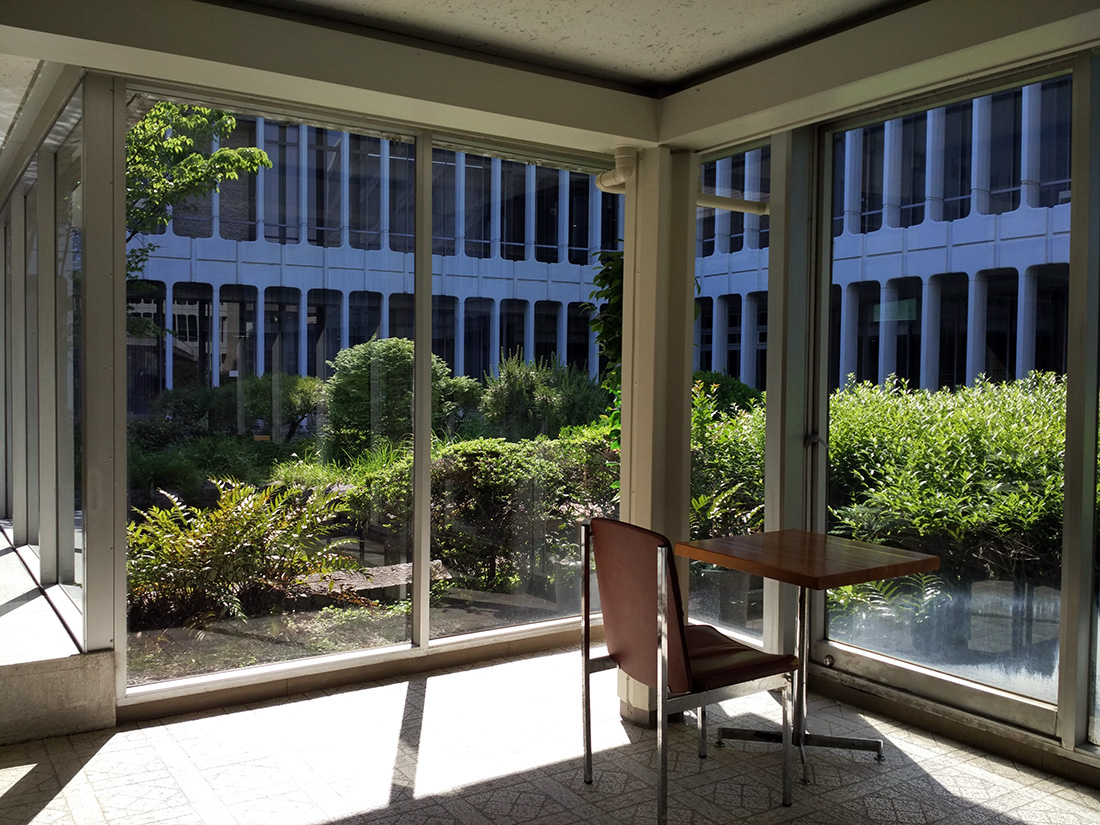
Togo Murano’s extensive 1966 building complex today is Meguro’s city ward office. The Meguro Museum of Art organized a fantastic tour yesterday.
Originally published on uncube magazine: More than 50 years after it was built, this Buddhist library building in Yangon in Myanmar continues to exude the modern aspirations of its early days, while fulfilling its role as a site for traditional, spiritual learning. For Ben Bansal, one of the authors of a new guide to the architecture of Yangon, it is a building that like its American architect, Benjamin Polk, deserves more recognition.
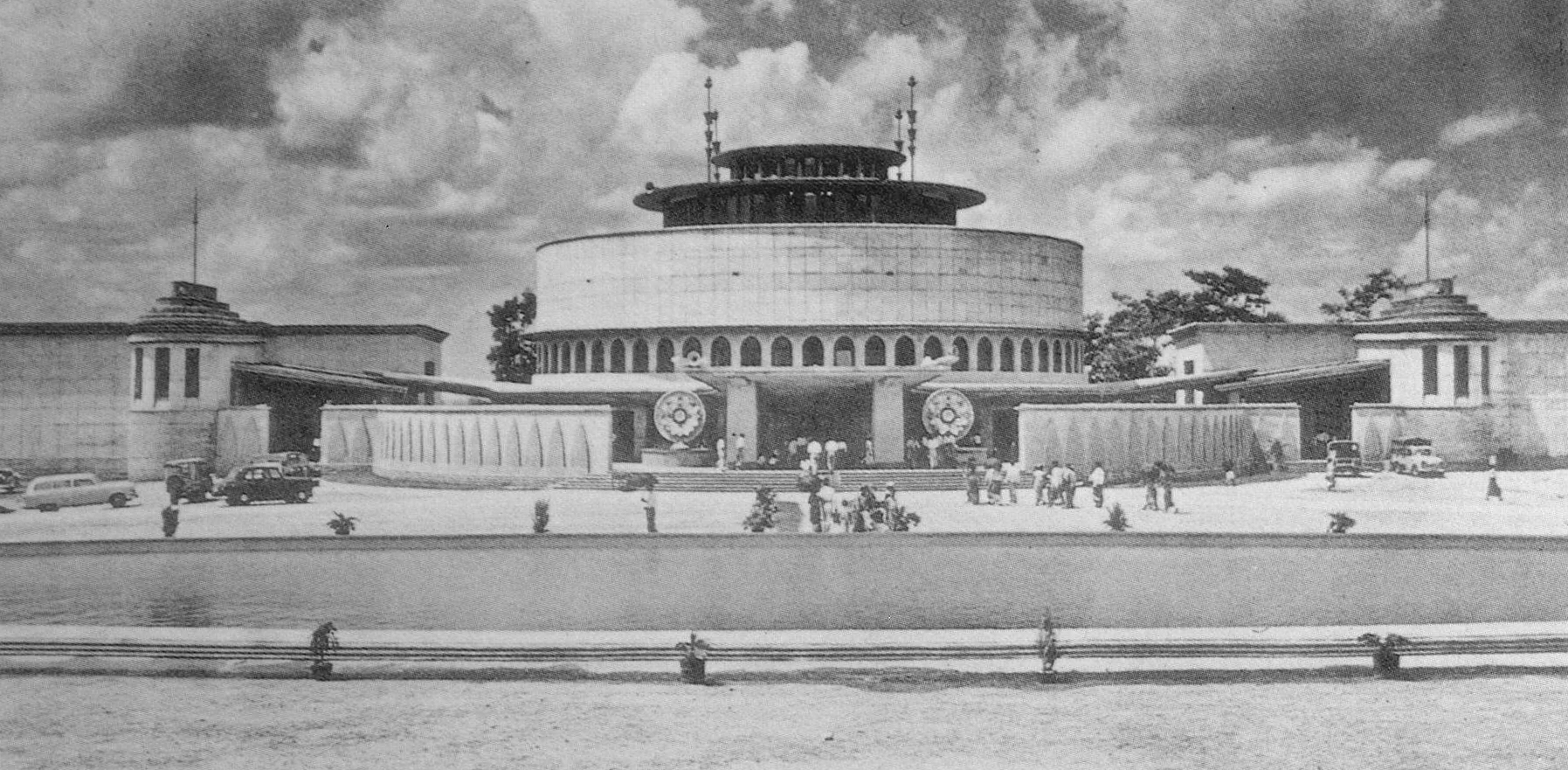
The front of Tripitaka Library, shortly after its opening in the early 1960s. The landscaped garden, centred around the artificial lake, give the building a more stately impression than today. (Archival photos © Abhinav Publications)
Another post with some notes on a book, this time on income inequality. I will try to add to this some figures on income inequalities in Tokyo later.
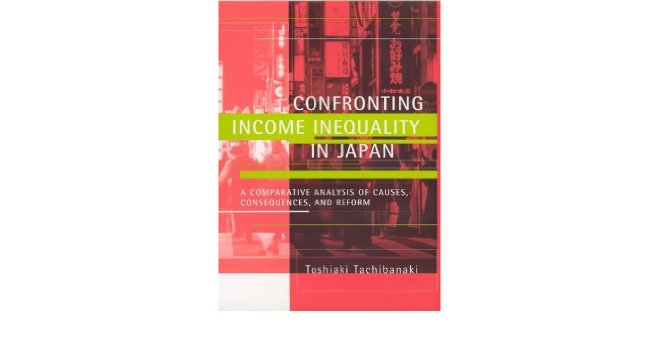
The role of housing in shaping urban space is extremely important. For that matter, I re-read an important book on the subject and jotted down some notes for myself after the jump.
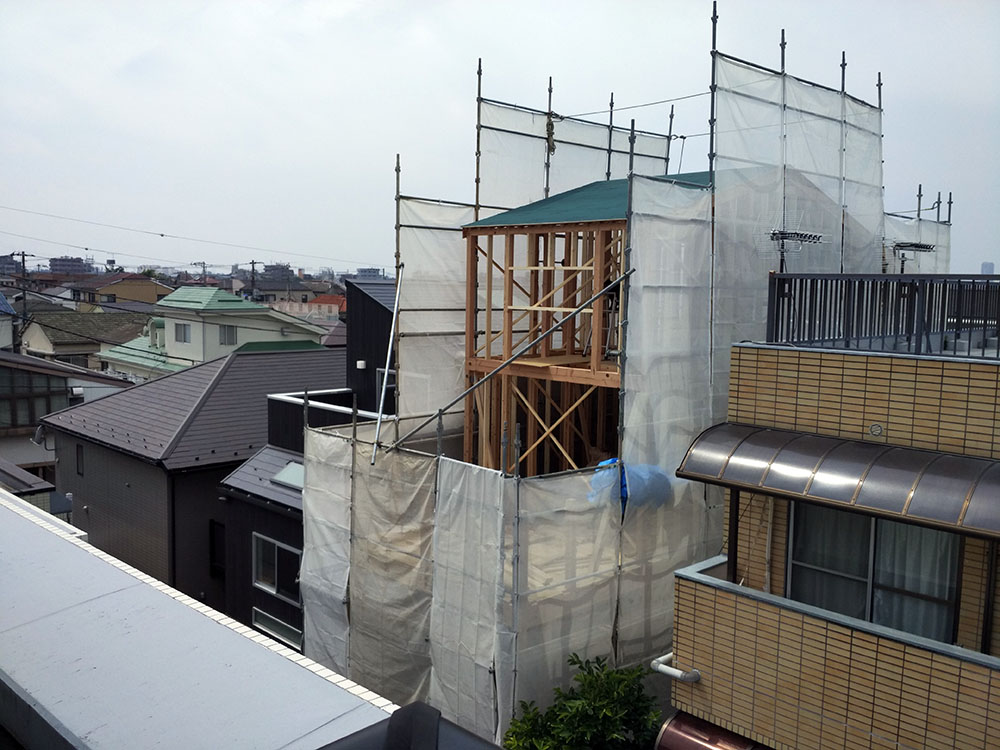
Scrap and build, Nakano-ku
What happens to urban equity when a city grows extremely fast? Next up in the urban inequality series is a post on Tokyo’s historical housing inequalities that aims to shed some light at the following questions: Over time, how much living space did the average inhabitant of Japan/Tokyo have and what was the corresponding homeownership ratio? Were there big differences between the 23 wards?
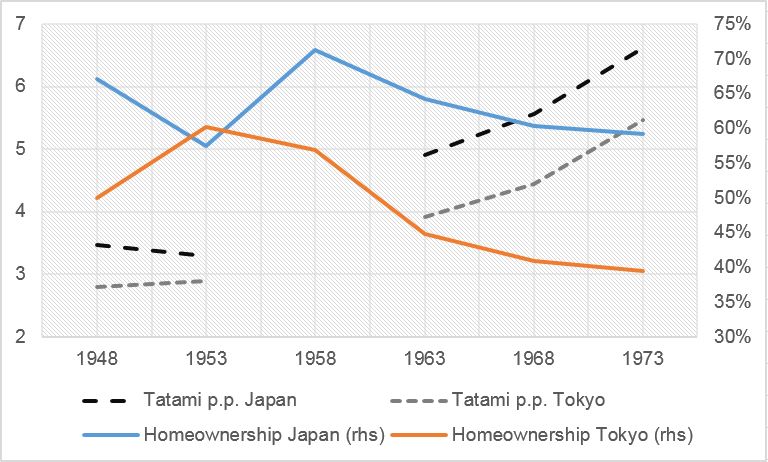
Some contours of housing in Tokyo vs. Japan, source
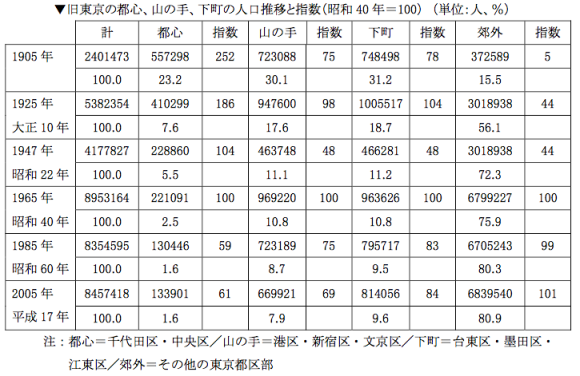
Below see some interesting tables I have found in a recent research report and of which I want a record, and why not on this blog? They are about Tokyo’s population distribution in and outside of the 23 wards. Nothing earth-shattering, but some ideas on how to present data at the very least. An interesting graph on land price increases concludes this post.
We spent some days in Hong Kong recently. The city is certainly as photogenic as one would expect. Below some impressions taken with my phone camera.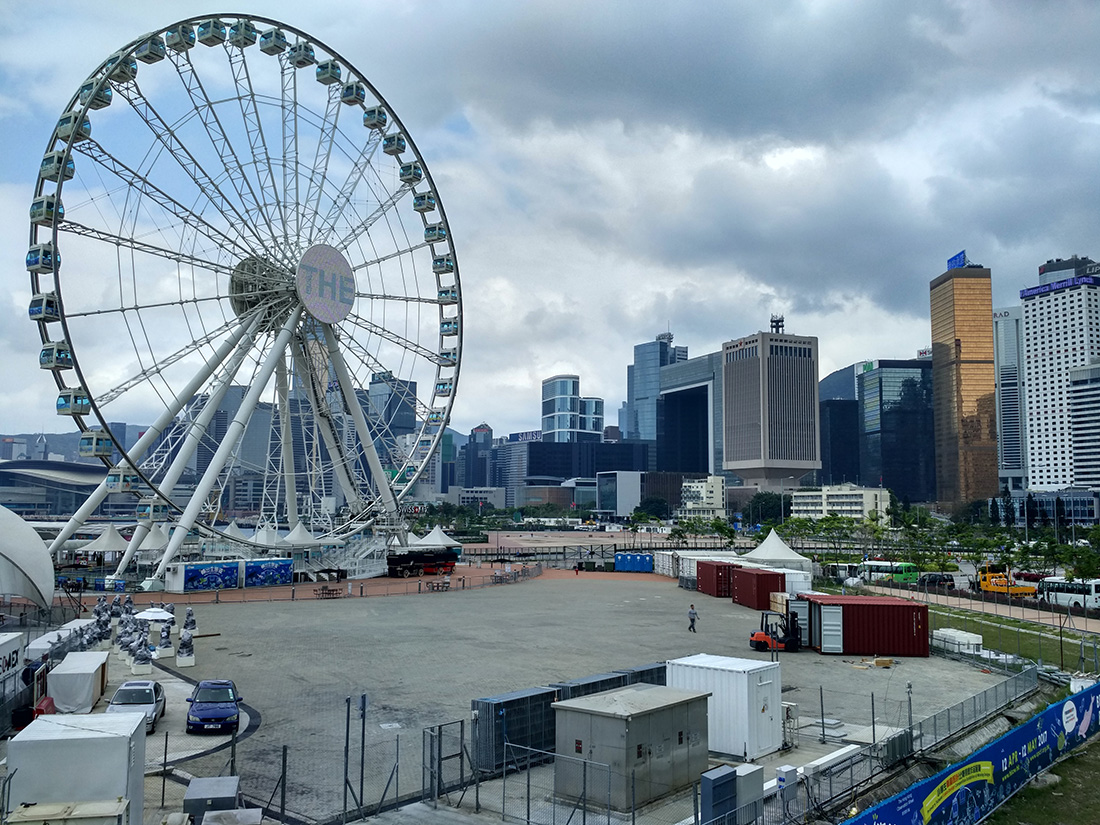
A panorama shot from Star Ferry Pier, with People’s Liberation Army Building in centre-right
Tokyo’s skyline is set to see 45 new skyscrapers by the 2020 Olympics, Bloomberg reports. Such heightened construction activity is seen as evidence of 1) the effectiveness of Abenomics, 2) building regulations that encourage new construction and 3) a generally competitive rental market that leads to lower rents. How much truth is there in this?
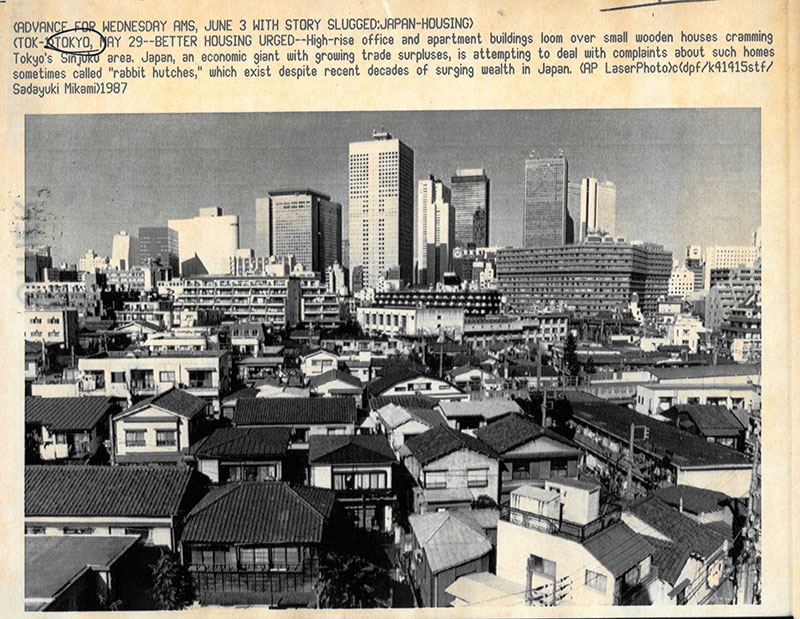
Thirty years and nothing changed?
A small but insightful exhibition currently on show at the Toto Gallery Ma introduced me to the works of the Japanese architect Shigeru Ban. His innovative use of wood and paper as well as his humanitarian engagement make his works accessible to a much wider audience than just architects.
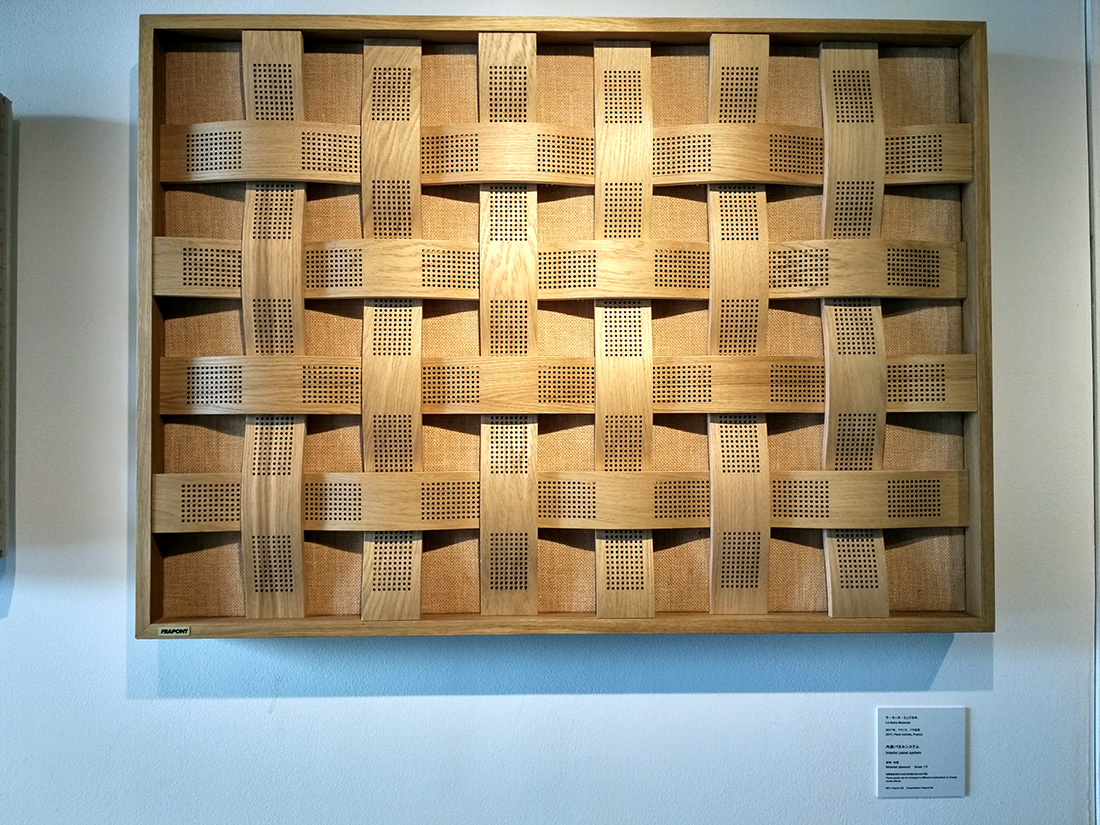
Shigeru Ban – interior panel of La Seine Musicale