Can Mexico transform its economy with the raft of recent reforms? I posted some observations from a research briefing I organised last week on the GFI website, a copy of which can be found after the jump.
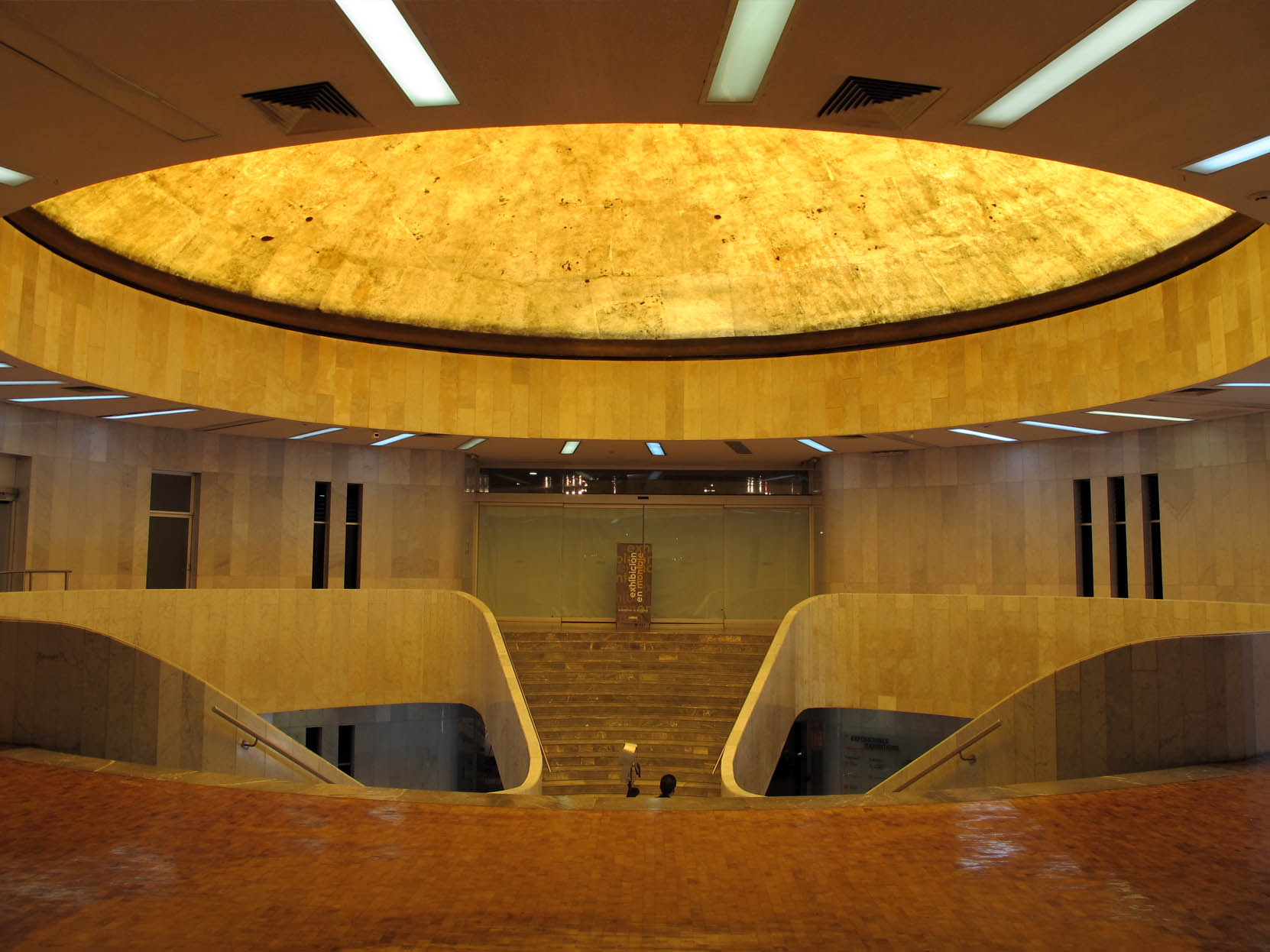
Museo de Arte Moderno
Can Mexico transform its economy with the raft of recent reforms? I posted some observations from a research briefing I organised last week on the GFI website, a copy of which can be found after the jump.
Museo de Arte Moderno
This blog has allowed me to structure my explorations of the past one and a half years. One particular project originated from these and is now taking up more and more of my time: My friend and photographer Manuel Oka and I are currently working on an architectural guide to Yangon.
Update 20 May 2014: My close friend Elliott Fox has agreed to come onboard to help write and edit the book. Elliott has travelled to Myanmar on numerous occasions both professionally and personally.
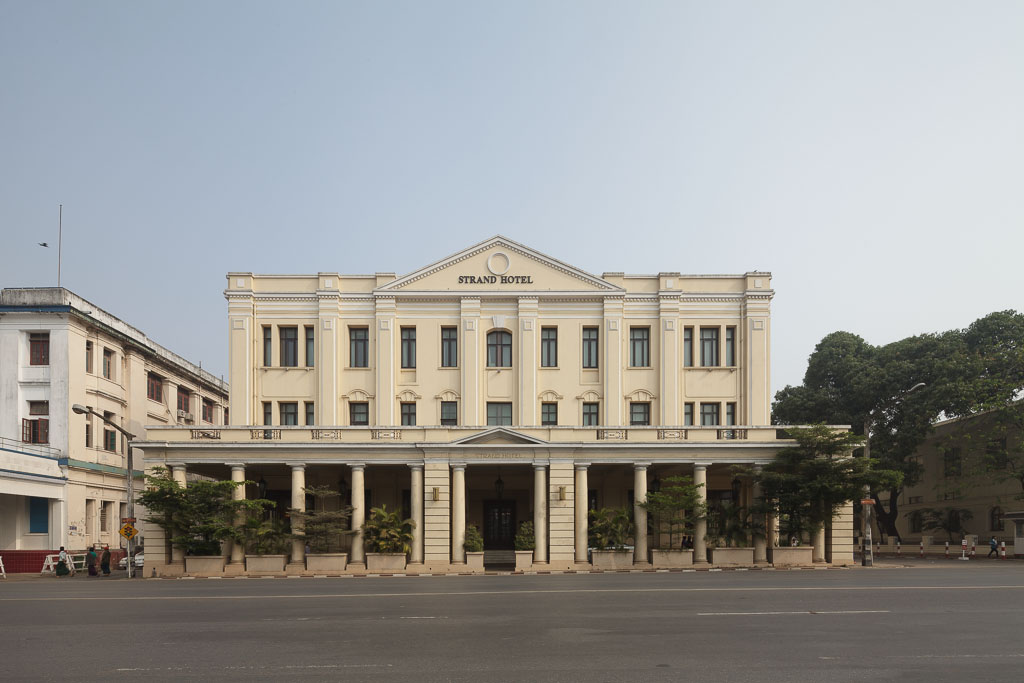
Strand Hotel – photo by Manuel Oka
Watching Thomas Piketty’s book “Capital in the 21st Century” make waves in this country has been fun and insightful, albeit time-consuming. The controversy the book has caused is telling of the political climate in this country. Perhaps this comes out “best” on Amazon and on Forbes.

I went to an interesting presentation on the state of the Japanese private equity industry at Columbia the other day. Industry veteran Richard Folsom of Advantage Partners spoke about his fund, but it was really the comments of CBS professor Bruce Greenwald that I found interesting.
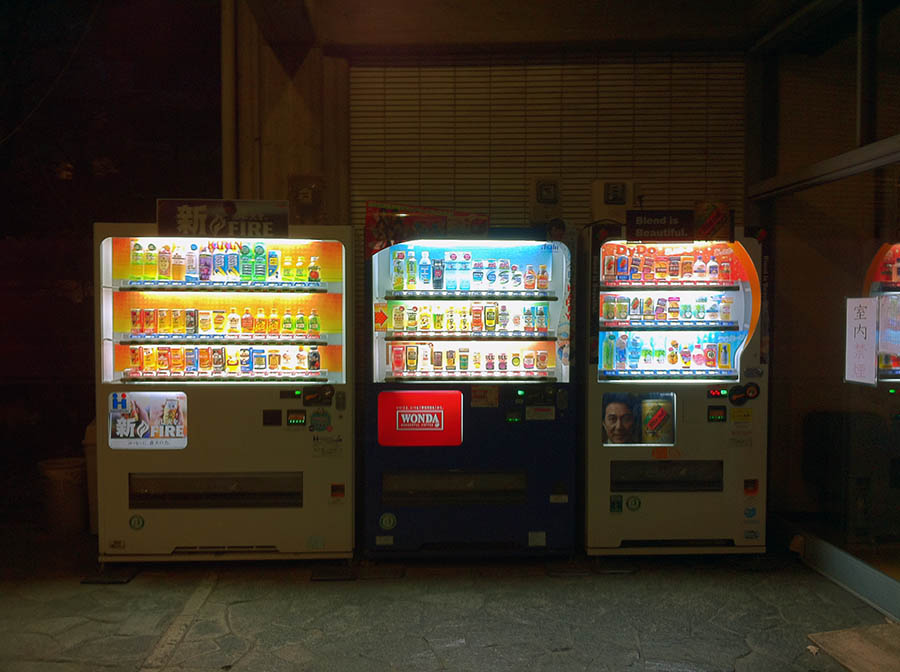
Unproductive machines?
Fifty years ago, the 1964/1965 World’s Fair in New York opened its gates. The event marked the final culmination of Robert Moses’s long career. The event wasn’t sanctioned by the Bureau of International Exhibitions and thus lacked the international allure of other Expos. I visited the area on Tuesday.
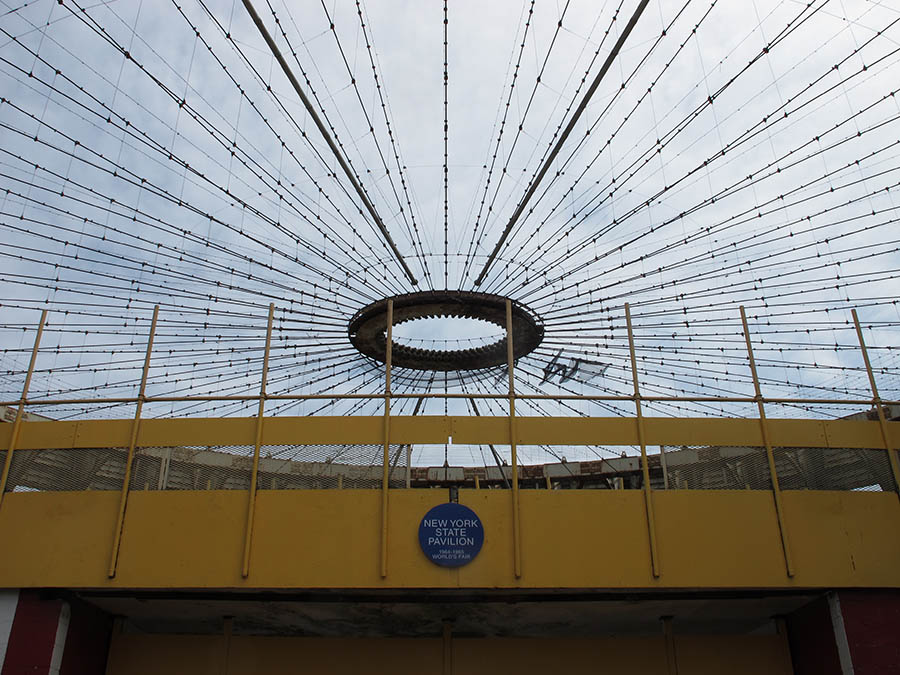
The New York State Pavilion
Seldom does a book create such buzz as Thomas Piketty’s “Capital in the 21st Century” and rarely has a book faster been lauded as one of the decade’s defining books on economics. Much of the silence on this blog can be explained by engaging with Piketty’s magnum opus. I wanted to wait before posting anything before I would see the French economist speak at Columbia yesterday. What follows are some notes on the book and on issues beyond.

Thomas Piketty (left), with panelists Suresh Naidu, Victoria de Grazia and Thomas Edsall
Living in Harlem has offered the great chance to connect with black culture. This involved reading up on the district’s vibrant twentieth-century history as well as visiting the local Studio Museum on 125th Street a few times. Here, a recent exhibition on Afrofuturism was a highlight.

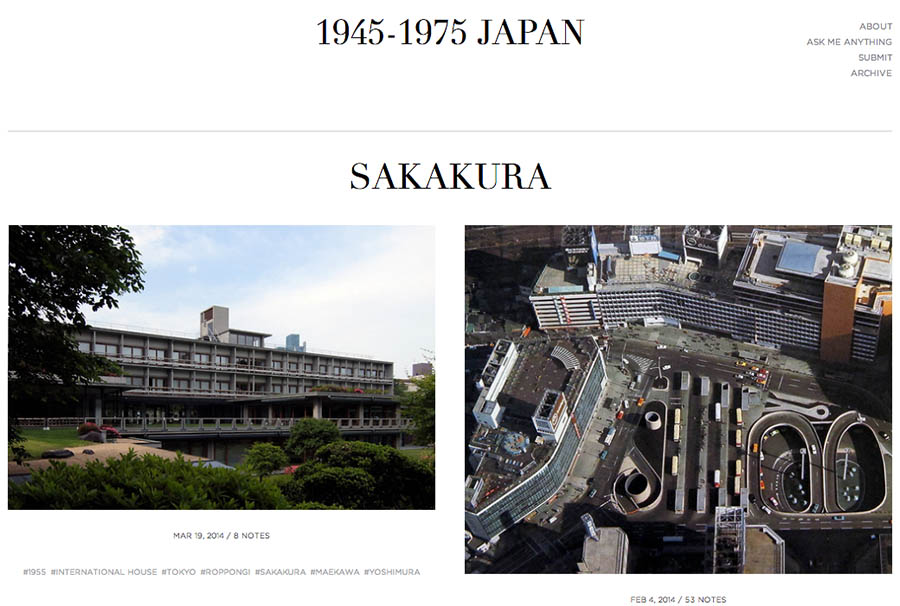
My Tumblr on postwar Japan has managed to attract 1,100 followers since I started it half year ago or so. It’s become the place for me to put up close to 1,000 pictures of everything from architecture, documentary photography, advertisements to a growing collection of shinkansen paraphernalia that I find during my research. A project for the future is better categorisation; this would allow me to curate mini-exhibitions on certain architects, areas or urban experiences.
I used a short trip to D.C. last week for an extended walk through town. Below a few shots from that day. They feature a visit to the World Bank and two imposing Freemason structures.

Further to my post on downside scenarios in the Ukraine a few weeks ago (who would have thought that developments play out the way they did since!), herewith some reflections on how political risk analysis in investment may seem important and futile at the same time.
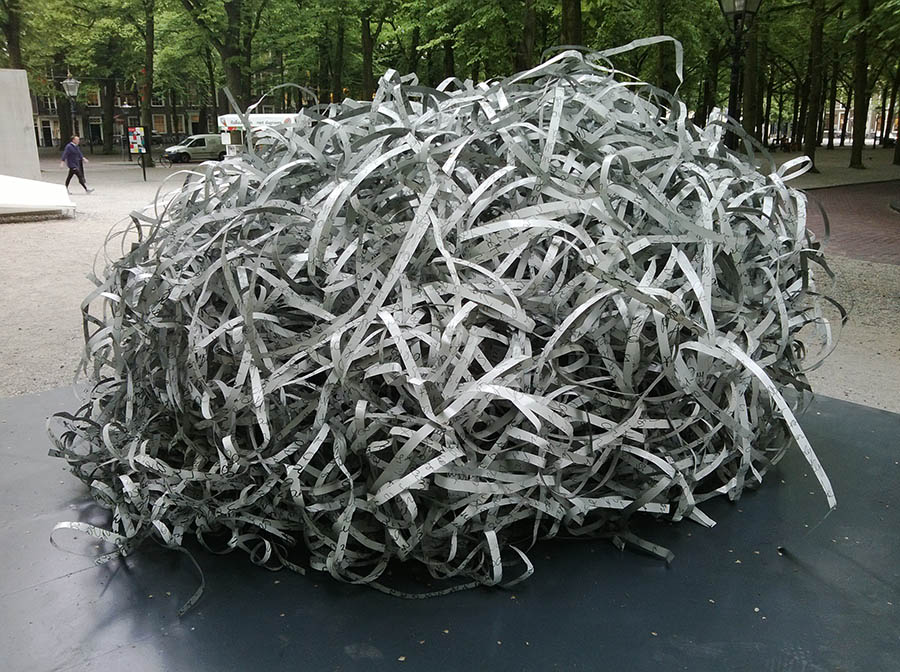
Tumbleweed Rhizome – Haim Sokol