Easily one of Tokyo’s most beloved buildings, it is easy to walk past it at first. This architect’s residence near Gaiemmae station is very small: It is built on a leftover plot of just 20.5 square meters. The actual building surface is even smaller. The house’s six (!) levels provide just 65 square meters of living space, including a rooftop terrace and a carport. Most surprising, however, is the house’s vintage: It was built in 1966/1967.
Author Archives: benbansal

Villas near Aoyama / Shibuya
Update (27 Dec 2012): Zoe from Japan Property Central has sent me the link to the Villas’ website (in Japanese). She also says that “there are a faction of people who do like older ‘vintage’ apartments because of their space and character. Many of the Villa buildings are mixed-use and attract a lot of people in the design field who are looking for a trendy office. Because of their age, they are less expensive on a square meter basis, while still being in very convenient locations.”
Tokyo lacks a core of seriously old buildings mainly due to the destruction wrought by the 1923 Kanto earthquake and WWII. Newer apartments carry a premium over ones in older buildings. There is little in the way of preservation. This is why the face of the city is constantly changing. [For a more vivid discussion of the fluidity of Tokyo’s cityscape, I recommend this BBC documentary on Youtube.]
All of the above is why one assumes buildings in Tokyo to be no older than 20-30 years. I was thus happy to stumble upon this real estate website listing the coordinates of several “villas” (i.e. apartment blocks) in Aoyama and Shibuya that are from the 1960s and 1970s and have withstood the normal build and tear-down cycle at least once. They all have fantastically mediterranean names. I took a walk yesterday to have a look.
Villa Rosa – 1969: The most dilapidated of the villas, with seemingly no major renovation having occurred since it got built more than forty years ago. All flats / offices enjoy ample daylight.

Nixon’s China Visit
It’s forty years since US President Richard Nixon went on his groundbreaking China visit that marked a thaw in relations between the two countries. Nixon brought a present with him – two porcelain swans made by Edward Boehm. I visited the National Museum in Beijing two weeks ago where the swans are on display.

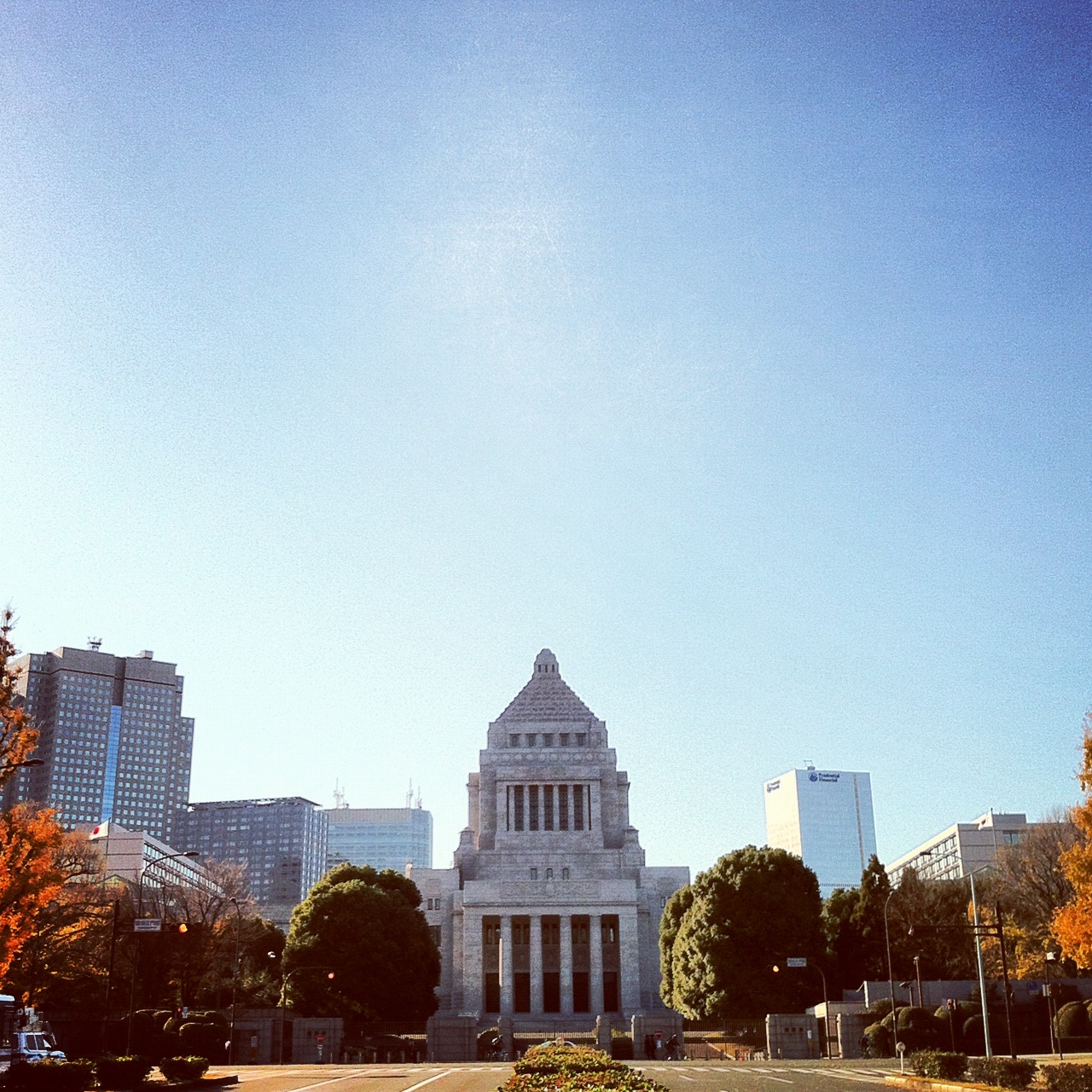
The Diet Building
With a new government coming to power at this weekend’s election here in Japan, I thought I’d put up a shot I took of the Diet Building on Sunday. The Diet hosts Japan’s two chambers of parliament, the House of Representatives and the House of Councillors. When I walk past the building, I sometimes wonder why I am not as interested in the politics of this country as I thought I’d be.
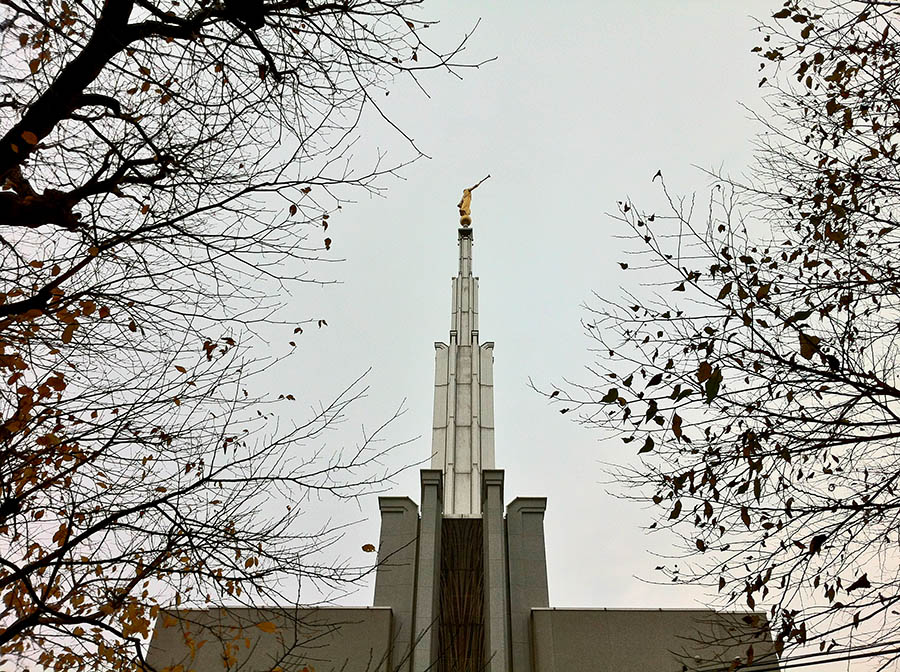
The Tokyo Mormon Temple
The leafy neighbourhood of Azabu is one of Tokyo’s most upscale residential districts, home to many embassies and expensive apartment blocks. It is also the site of Tokyo’s Mormon temple, or Japan’s Temple of the Church of Jesus Christ of Letter-Day Saints as it is formally known. It is an imposing and slightly surreal sight.
Korea’s DMZ / JSA
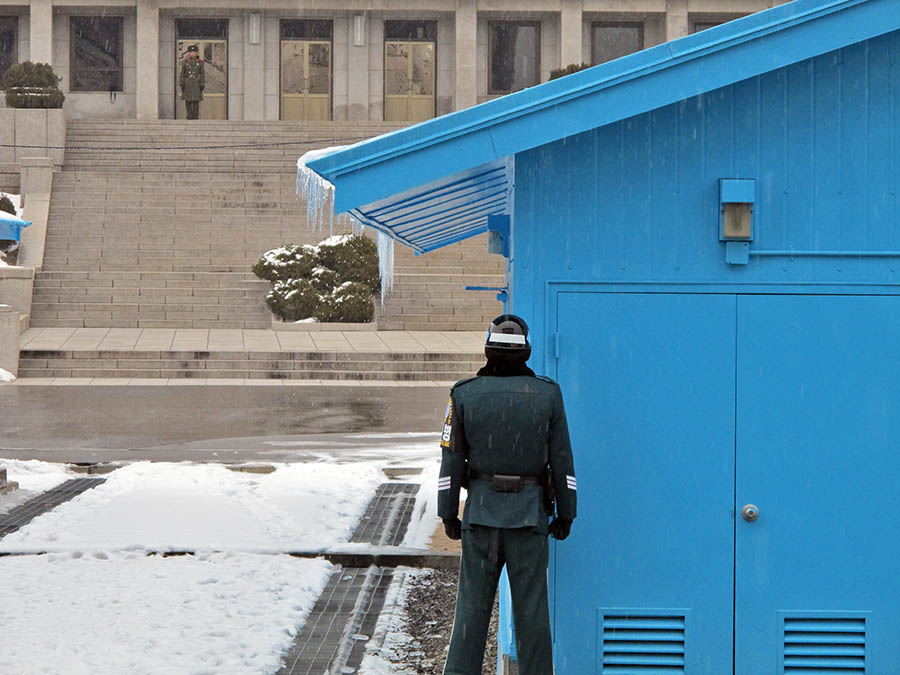
We’re just back from a brief two-week trip through China and Korea. One of the highlights was our visit to the Korean Demilitarised Zone / Joint Security Area. The latter is the famous place where North and South Korea share a blue building that can be used for diplomatic talks. It’s the only place where you can stand on North Korean territory without actually visiting the country.
St. Mary’s Cathedral
Kenzo Tange is perhaps the most famous international architect from Japan. He embodies the country’s post-war history like no other: the struggle for the country’s own identity amid the unprecedented economic miracle, the search for symbolism and spiritual space in architecture, all this (and more) can be seen in his works. I went to see his St. Mary’s Cathedral in Bunkyo Ward today.

Kasumigaseki Building
This building occupies a special place in Tokyo’s architectural history. It is the city’s first skyscraper that got built only after tough regulation on earthquake resistance was dropped in select areas. Its 36 floors reach 147 meters in the sky. Aluminium and steel give the facade a fairly generic look. Today the building in the Kasumigaseki area of downtown Tokyo does not stand out much.

Turkey
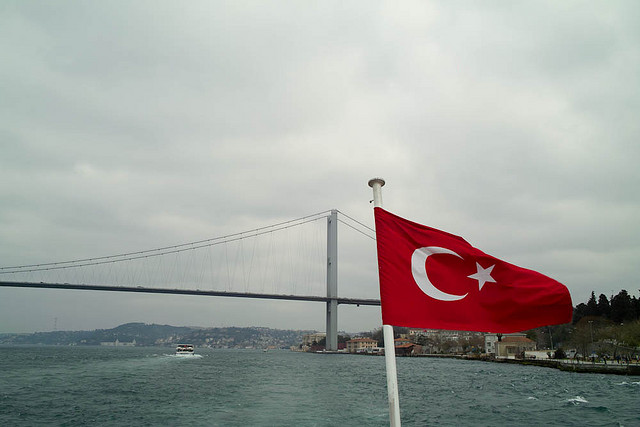
Part of the past occupation series: My predecessor in the asset management job had a penchant for all things Turkey and correctly predicted the constitutional court’s verdict on the AKP closure case back in 2008. So I kind of had to follow the country closely, also given the long-term EU convergence bet that is very popular in emerging market fund management. This resulted in three trips; all memorable and all quite meaningful given the institutional intelligence we had built over the years.
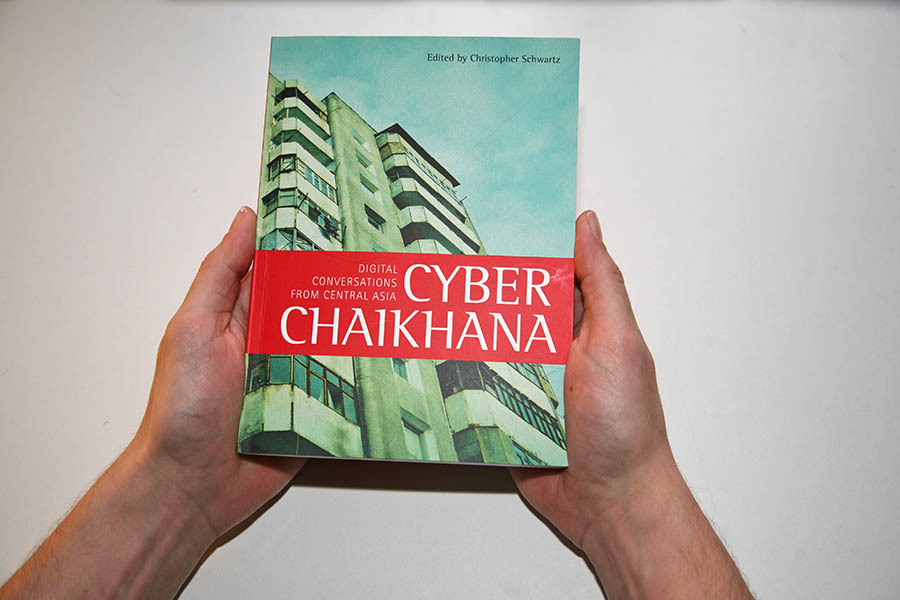
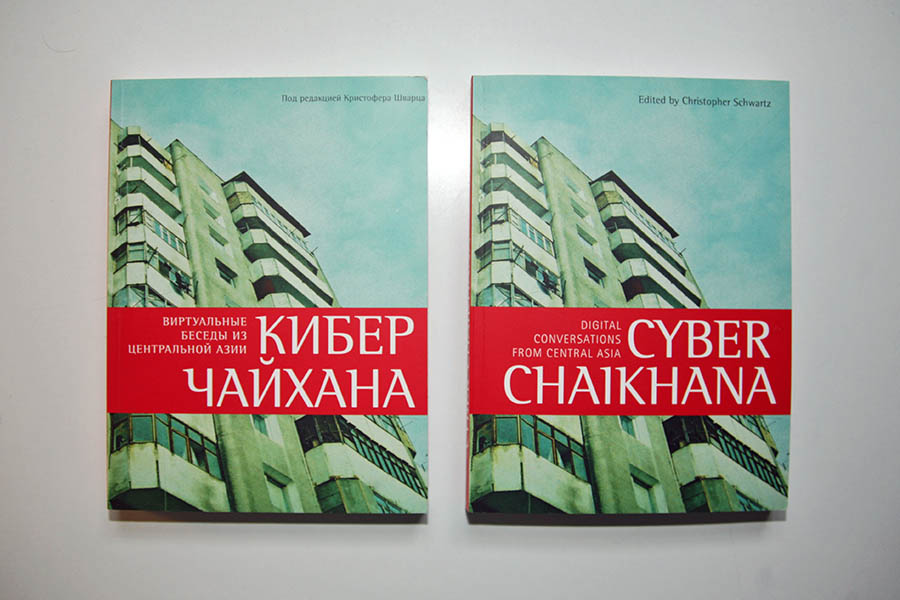
Cyber Chaikhana
Taking the online offline: this post is about a book project a few friends and I pursued over the last couple of years. Countless brainstorming sessions, endless nights in Den Haag spent working on the manuscript and a trip through Central Asia promoting the book have evoked great passion from many people. This post is about commemorating this.