Some reading notes from a recent urban studies classic as well as thoughts on density (again!) and environmental sustainability below the jump!
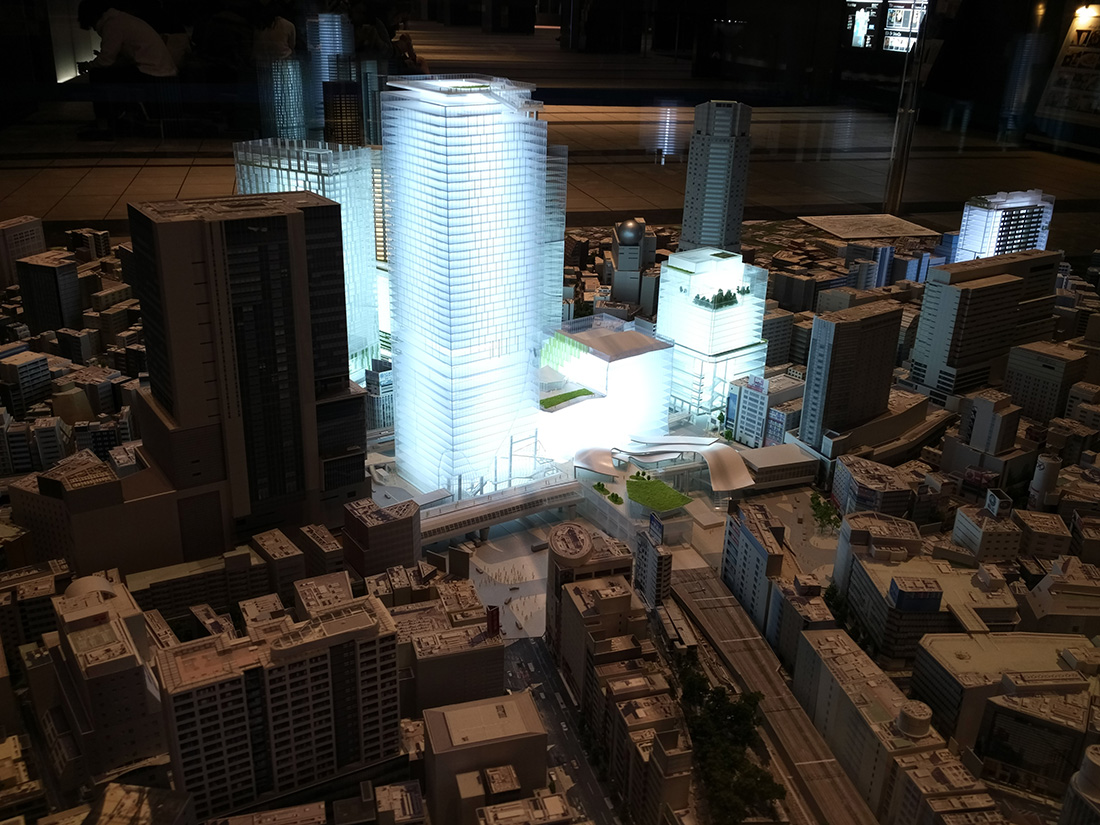
Shibuya redevelopment model, Hikari Building, Tokyo
Some reading notes from a recent urban studies classic as well as thoughts on density (again!) and environmental sustainability below the jump!
Shibuya redevelopment model, Hikari Building, Tokyo
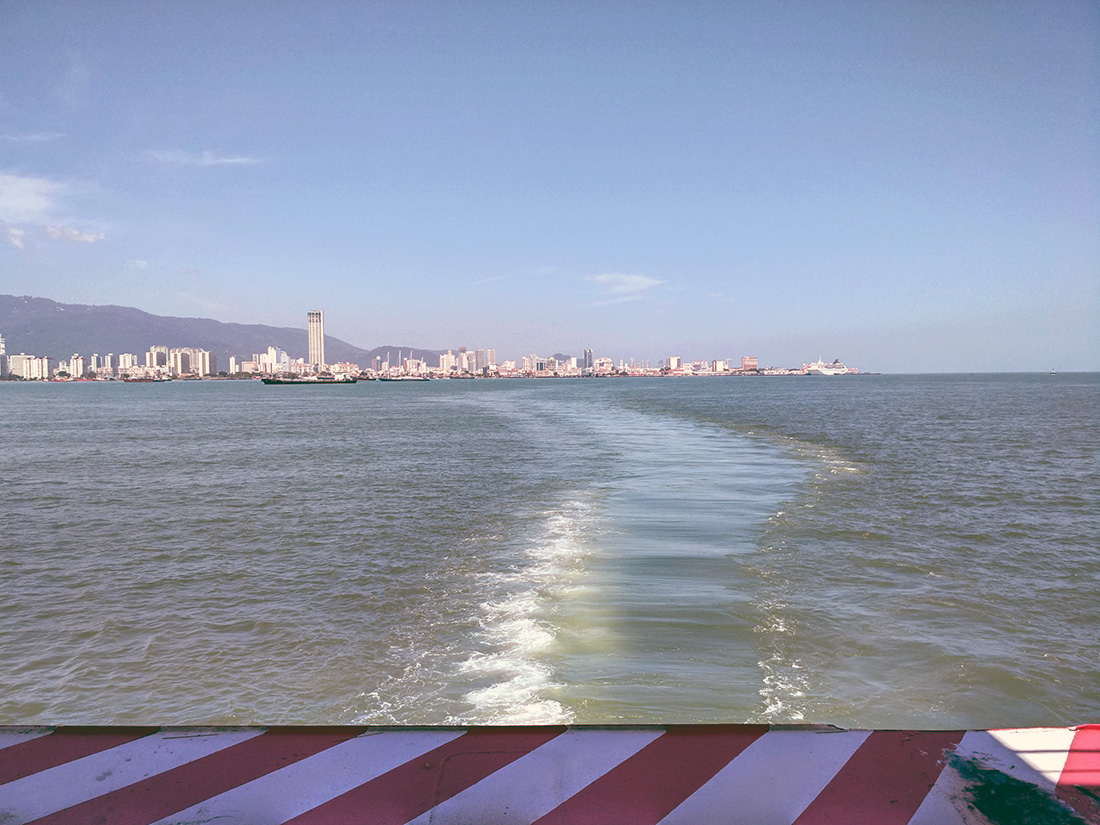
I had the chance to visit Penang for the first time last week. What a fantastic city. I rode the bike a lot and probably had my best Chinese meal ever. I definitely want to come back for more.
I stumbled upon an interesting blog post on Market Urbanism from a few years ago that talks about Tokyo’s surprising lack of density. I would disagree somewhat with that statement. More below the jump.
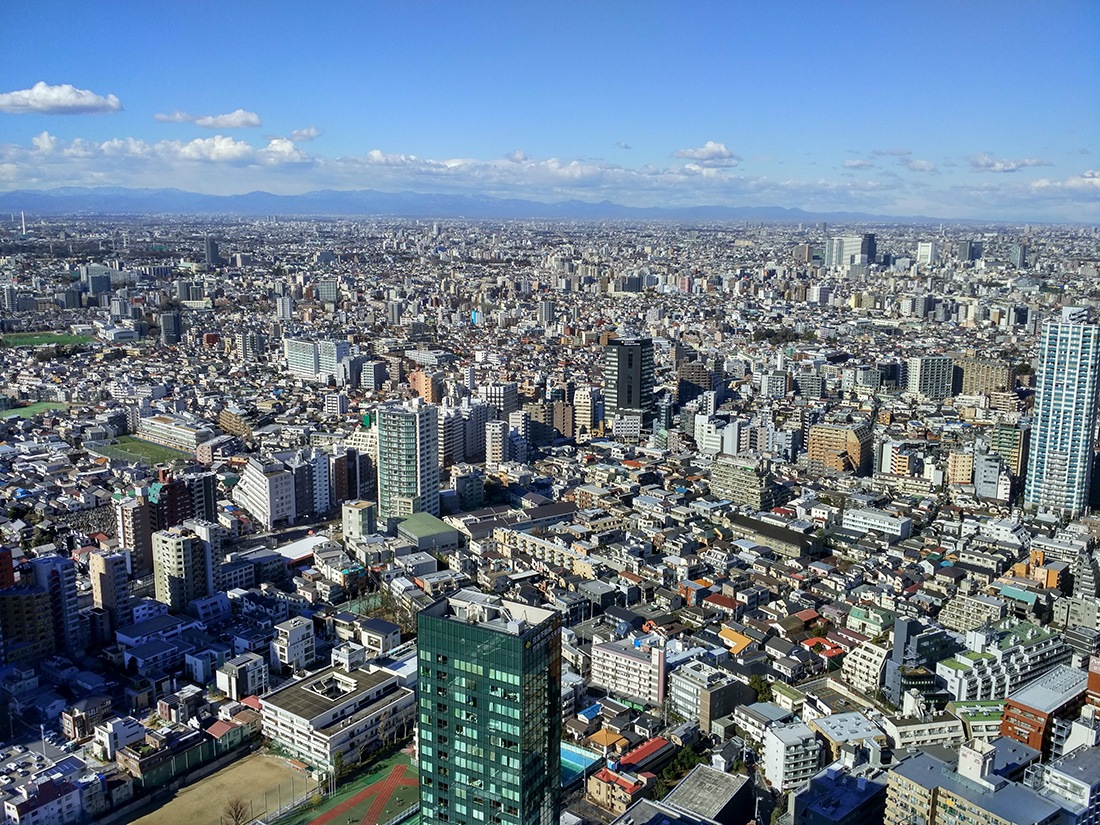
Tokyo towards the West as seen from Shinjuku
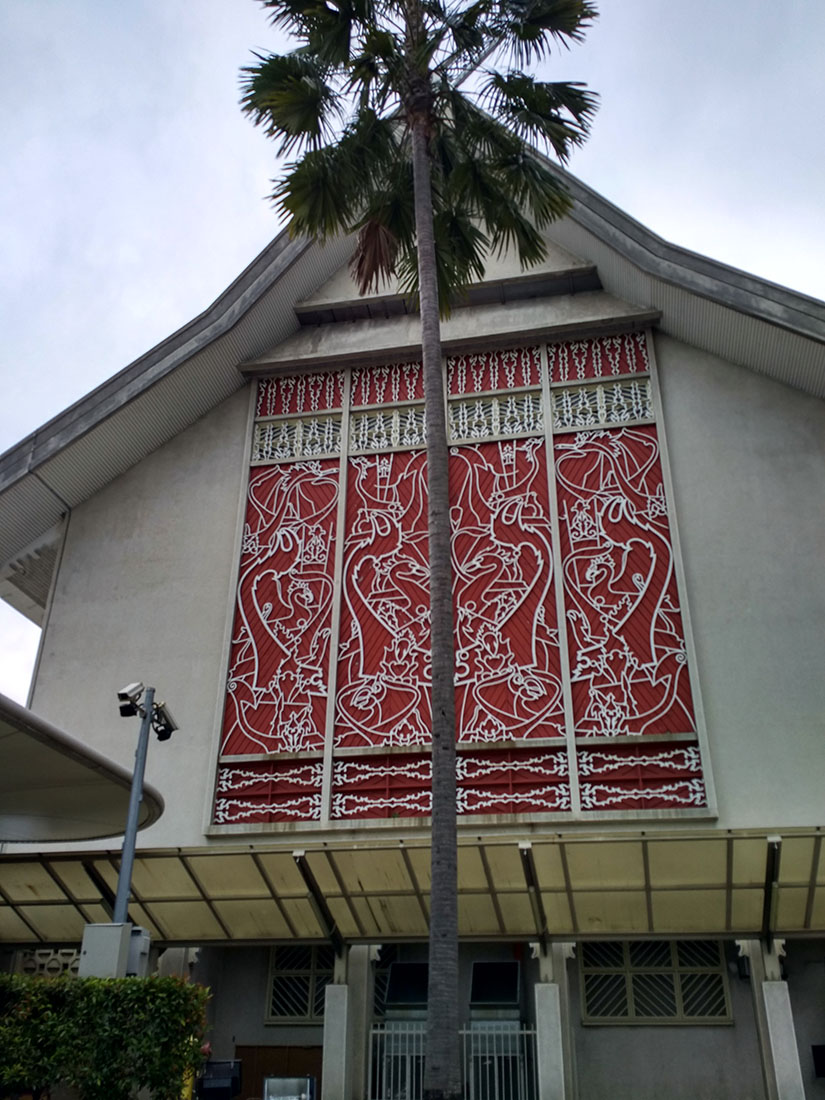
In his Building Merdeka: Independence Architecture in Kuala Lumpur 1957-1963, Lai Chee Kien introduces the reader to the architecture of this period. Contrary to many other newly-independent nations, it was mainly local architects that reconciled modernism with a distinct indigenous architectural style.
Normal operations on this blog resume with a report of my recent trip to the UK. Only a month after our Christmas vacation, this time my visit was of an academic nature and took me back to old stomping grounds.
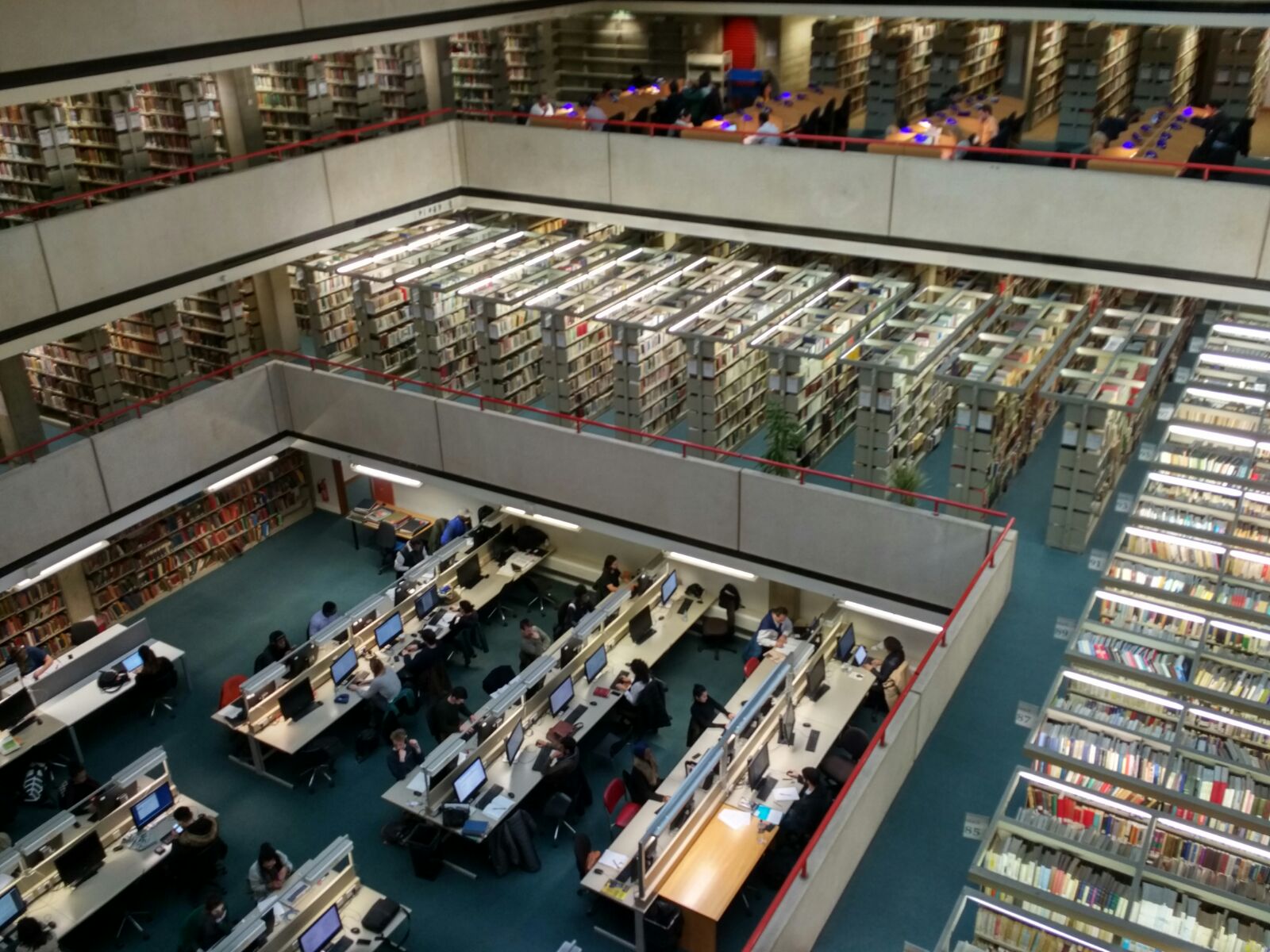
SOAS Library
Phew. I have successfully “disengaged” from reading the news and logging on to Facebook for what feels like an eternity. Am I denying reality? No, but I want to turn down the volume for the time being, and news has a way of reaching you despite not checking three times a day. All this leaves more space for books, including Branko Milanovic’s “Global Inequality”.

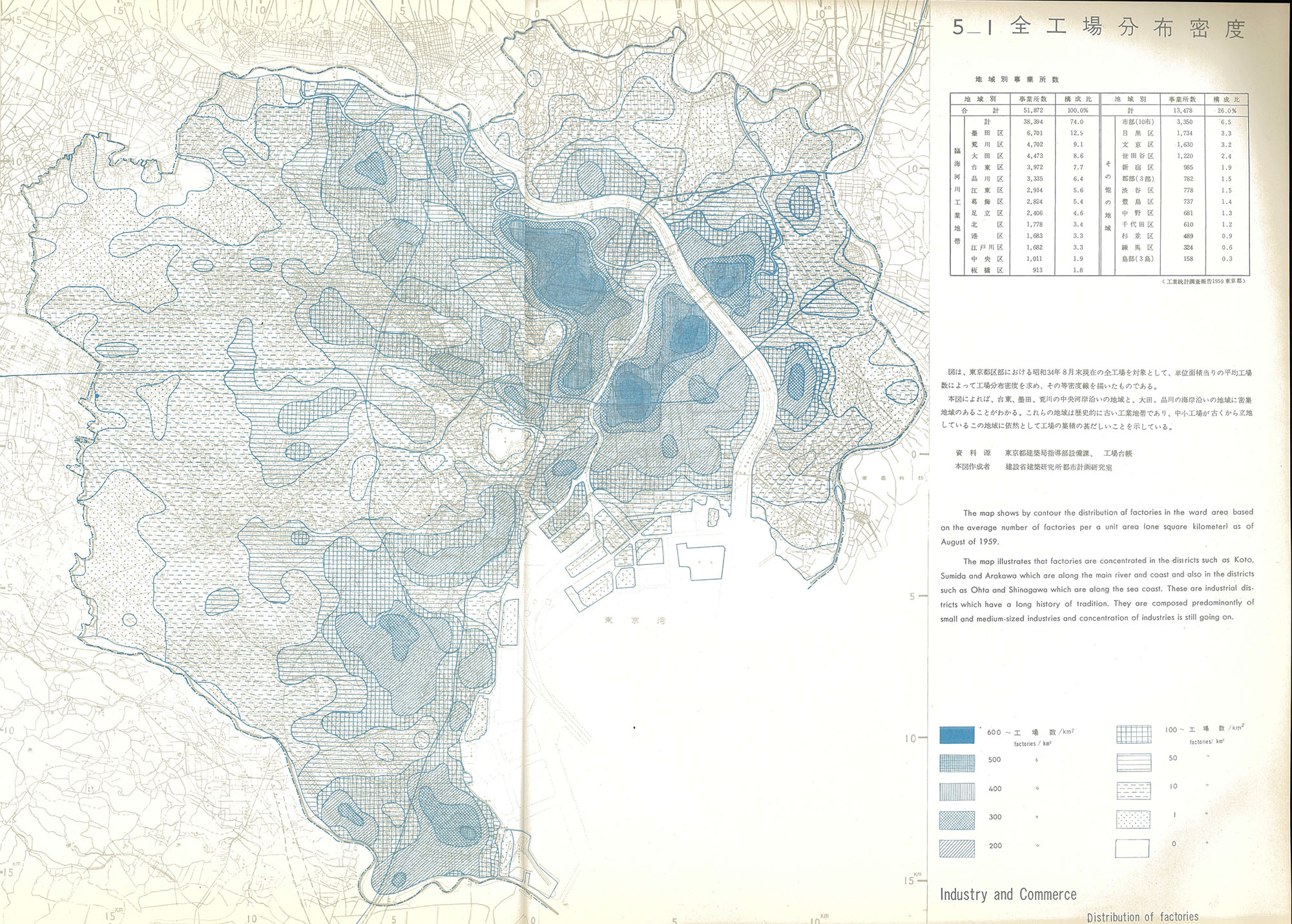
The treasure trove that is the 1961 TMG urban planning atlas has two fascinating maps on the distribution of factories and their growth. They show that the traditional areas of industrial activity are also attracting most of the growth in new factories.
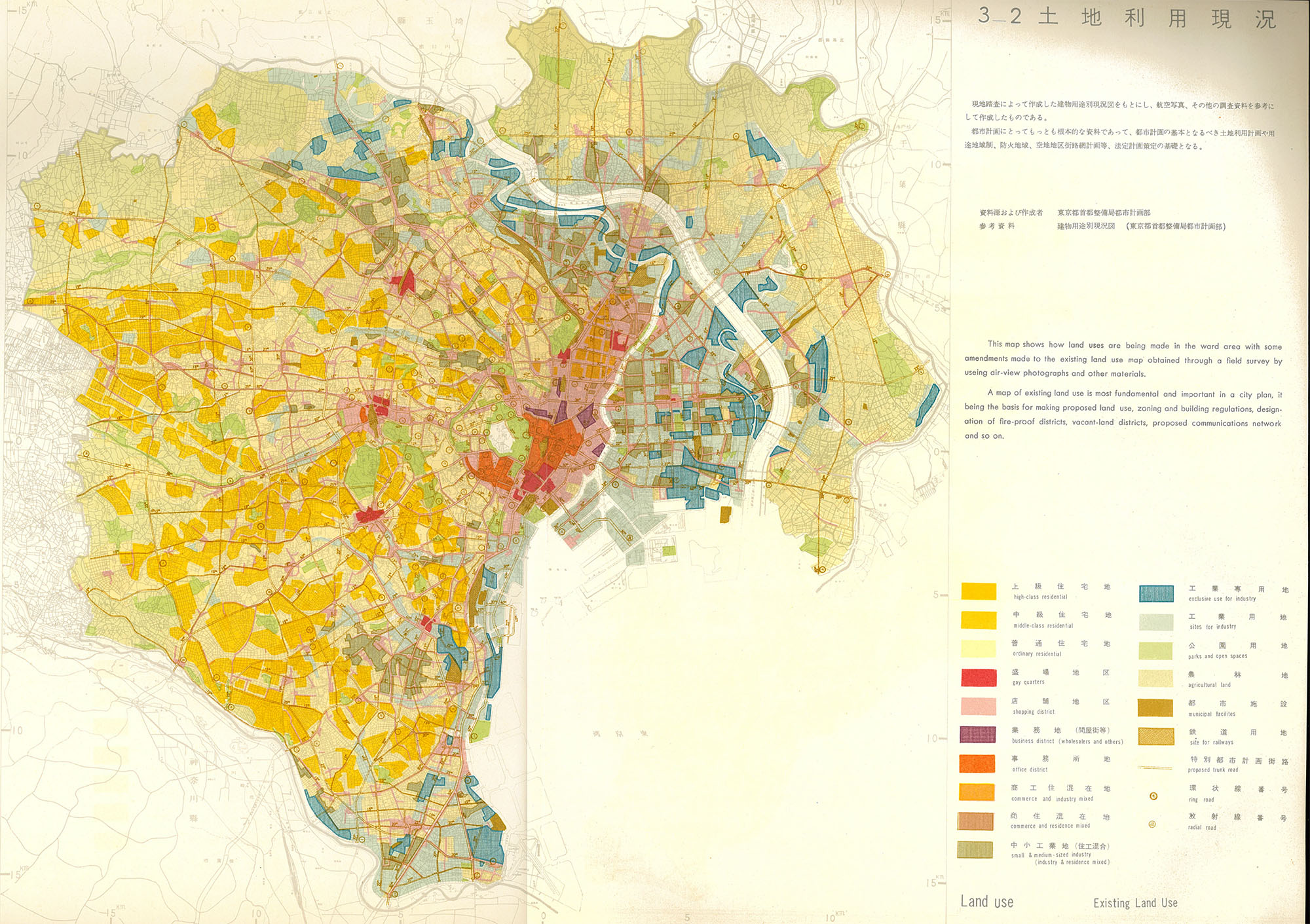
With two maps in tow, I look at Tokyo’s land use and zoning in the late 1950s. Zoning designations largely reflected then-current land uses, except for some visionary (and eventually never realized) ideas about greenbelts and decongestion.
As I go through the TMG publication I referred to in this previous post, herewith some links to maps of historical Tokyo for my and everyone else’s reference. Please feel free to supplement this with your own links in the comments, I will add to the post.
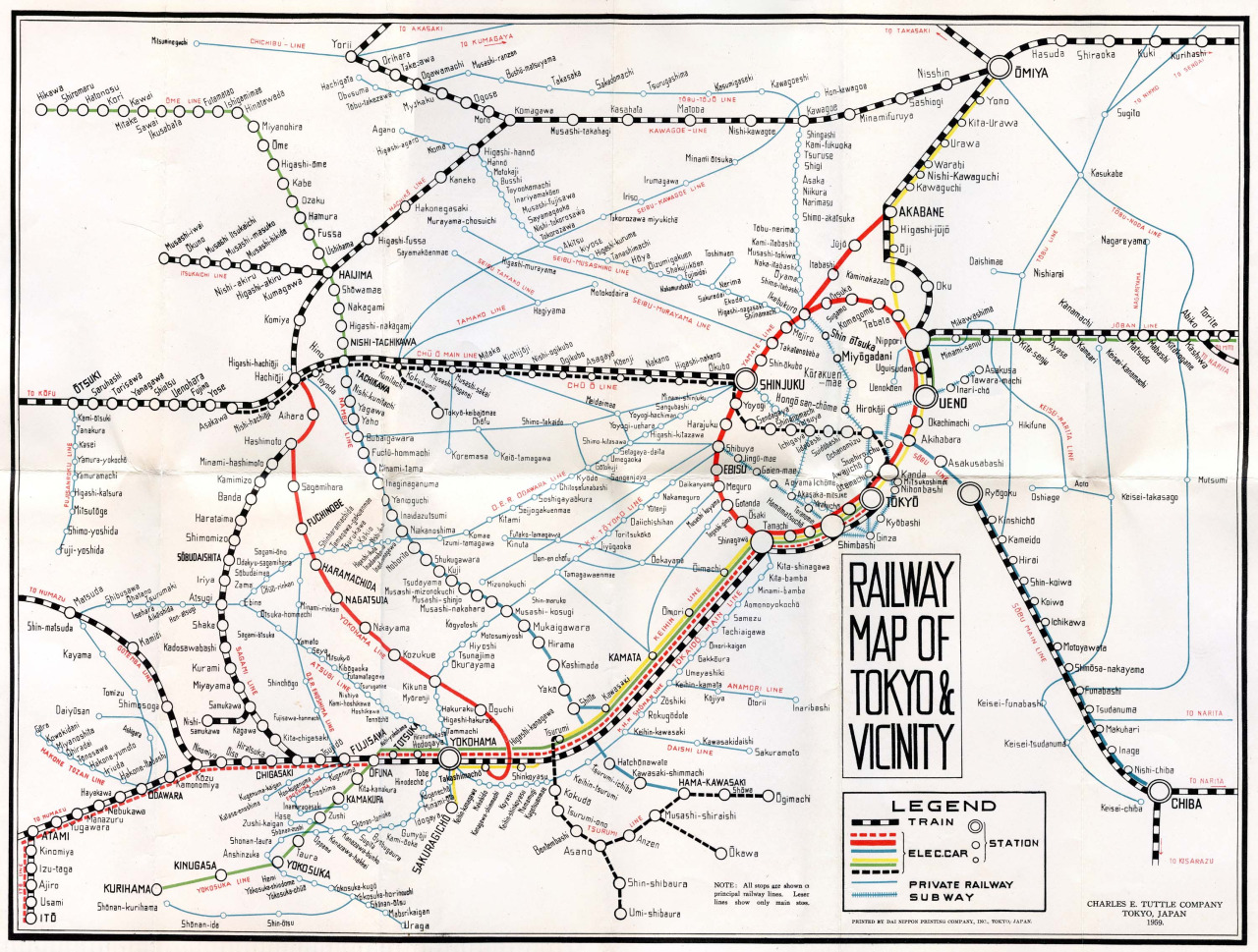
1959 railway map, from Flickr user Rob Ketcherside
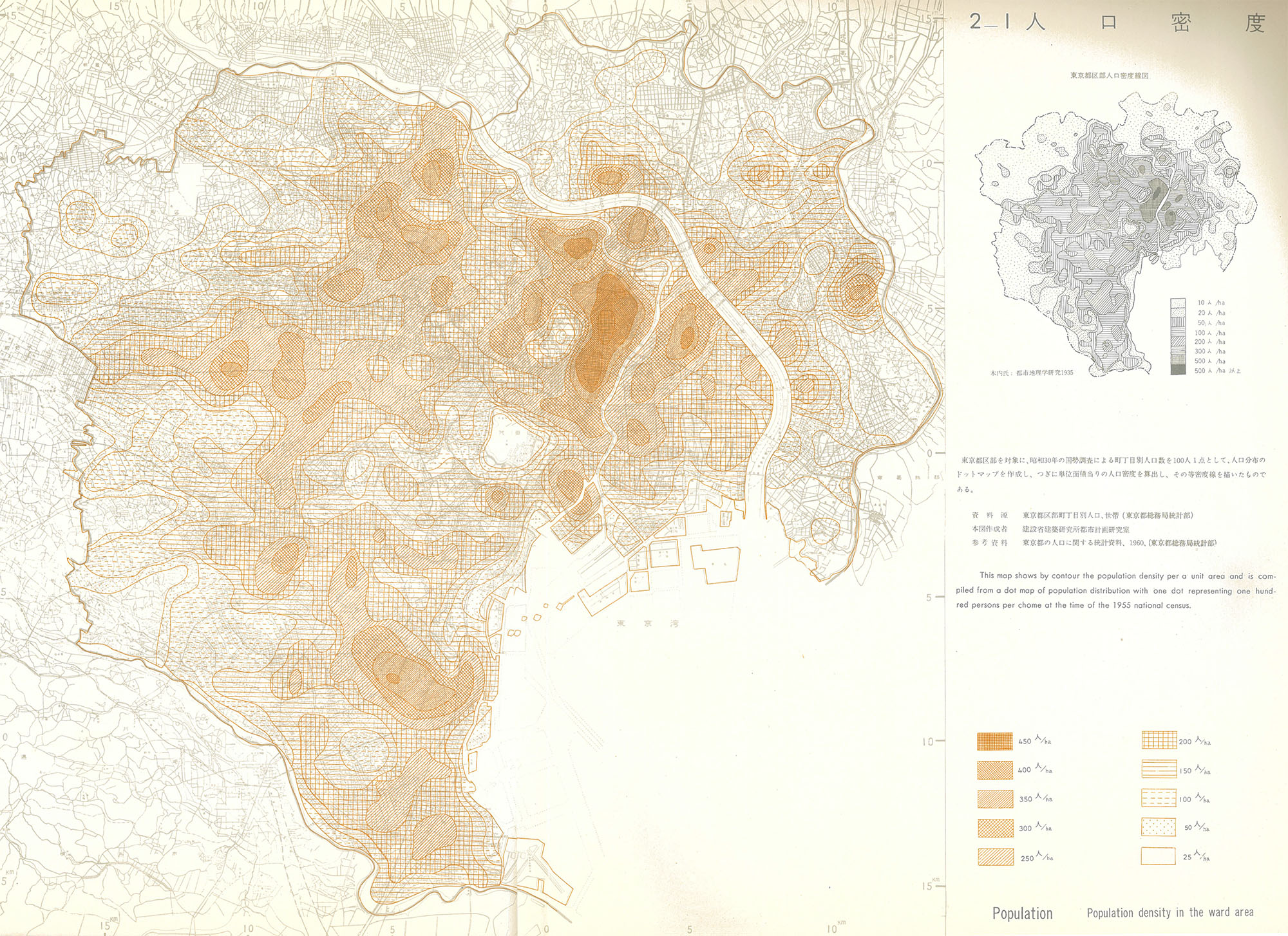
My supervisor and I dug up a fascinating book in the library a few weeks ago. It is an early 1960s Tokyo Metropolitan Government publication that introduces the main urban planning issues Tokyo was facing ahead of the Olympics via thematic maps. Herewith its take take on population growth and density.