I realized when presenting at RIHN in Kyoto on Friday that I still have some work to do with regards to one of my thesis’s major arguments: Small factories in the ward area were more successful because they were more efficient “users” of urban space.
Author Archives: benbansal
Global Cities: Sub-Saharan Africa
As term is about to start, I wanted to resume posting some lecture summaries of my Global Cities class. Some of the most interesting set of lectures were the ones on sub-Saharan Africa. When we, as a primarily “northern” audience, pick the continent to study slums, it is important and natural to reflect on our inherently problematic viewpoint. Are we, in other words, “slumming it”?

Dharavi, Mumbai
Global Cities: literary non-fiction from India
Using Rana Dasgupta’s Capital: A Portrait of Twenty-First Century Delhi for my Global Cities class is a double-edged sword. I wonder whether it offers a “fair” representation of life in the city.

Delhi, 2014
Global Cities
I started teaching a class at Temple University Japan called Global Cities this term. It is a General Education course that introduces students to contemporary aspects of urbanization around the world. A few thoughts on the class and teaching methods after the jump.

Kampala, Uganda
Fleshing out the papers
This is a strange time in one’s academic career I suppose. With the PhD just handed in, pending final approval by my university’s committee, I am beginning to think seriously about where and what to publish. Below some initial thoughts that will hopefully guide me in my next steps. Continue reading
Hiatus
Fatherhood and the final stretches of my PhD have taken a toll on my posting performance here. Hard to believe it’s been more than half a year since the last blog post. Long gone seem the days when my aim was to have two entries up each week. I do intend to continue writing here, especially to get some structure into my post-PhD thinking as well as reflect on my teaching. A few updates and ideas after the jump.

Metropolitan Tokyo: context
Several classes at the beginning of the Metropolitan Tokyo course I teach at TUJ are dedicated to establishing a context for analyzing the Japanese capital. I comment on these lectures after the jump.
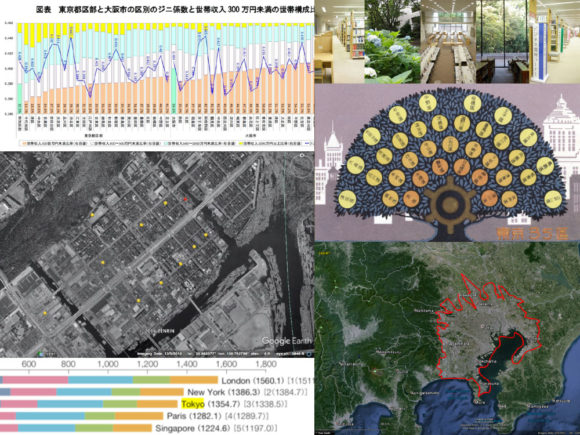
Metropolitan Tokyo: intro lecture
This is the first post in a series of summaries of and notes on my lectures for “Metropolitan Tokyo”, a class that I teach at Temple University Japan. I have written more about it here.

Metropolitan Tokyo
I have been teaching at Temple University’s Japan campus for more than a year now and still haven’t written anything on this blog here to reflect on this amazing experience. This shall now change with some thoughts on the most recent course I teach called “Metropolitan Tokyo”.
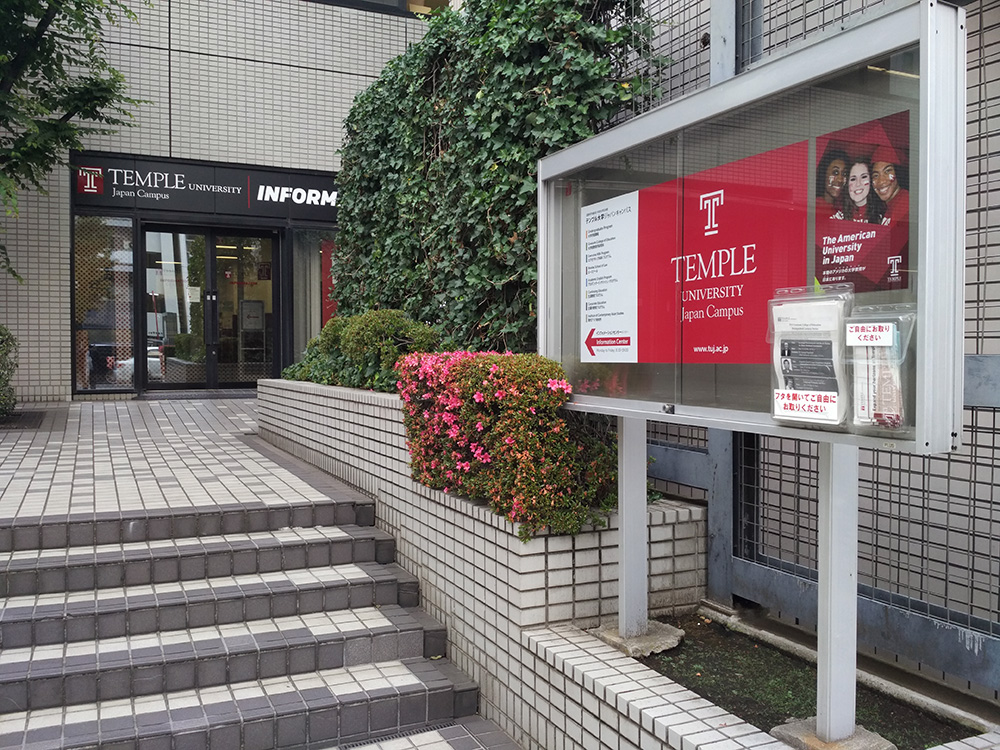
TUJ’s Azabu Campus
January update
This blog has been silent for over a month (for a variety of very good reasons), and before substantial posting resumes very shortly, herewith just a few notes for my records.

Shinjuku 24 December 2017