Below see some interesting tables I have found in a recent research report and of which I want a record, and why not on this blog? They are about Tokyo’s population distribution in and outside of the 23 wards. Nothing earth-shattering, but some ideas on how to present data at the very least. An interesting graph on land price increases concludes this post.
Hong Kong
Tokyo housing supply
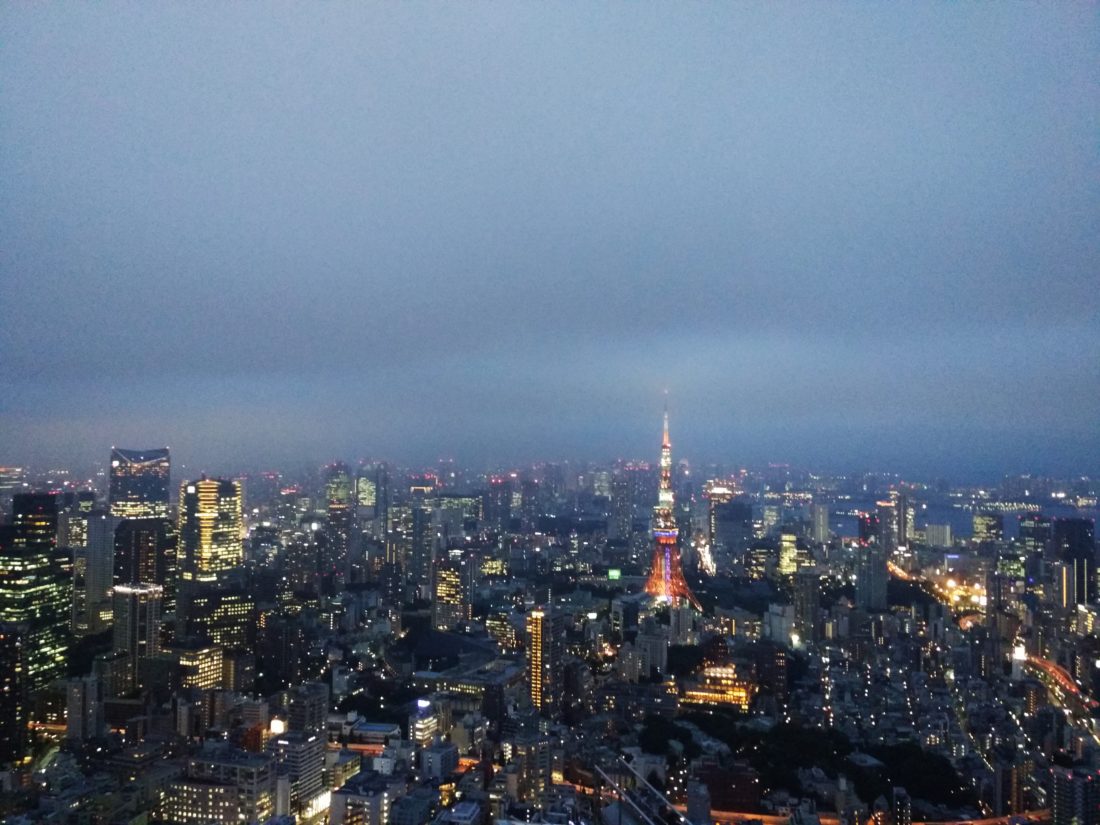
Tokyo’s skyline is set to see 45 new skyscrapers by the 2020 Olympics, Bloomberg reports. Such heightened construction activity is seen as evidence of 1) the effectiveness of Abenomics, 2) building regulations that encourage new construction and 3) a generally competitive rental market that leads to lower rents. How much truth is there in this?
Thirty years and nothing changed?
Shigeru Ban – Works in Progress
A small but insightful exhibition currently on show at the Toto Gallery Ma introduced me to the works of the Japanese architect Shigeru Ban. His innovative use of wood and paper as well as his humanitarian engagement make his works accessible to a much wider audience than just architects.
Shigeru Ban – interior panel of La Seine Musicale
Tokyo inequalities – background
What follows is the first post in a series on manifestations of inequality in postwar Tokyo. In these, I plan to cover living conditions and income inequalities across the different wards, at different points in time. Before going into the data that I collected over the past couple of days (and continue to collect), however, a few general words on inequality in Japan.
Income inequality trends, as per Iyoda Mitsuhiko (1991)
Notes on the research industry
I have been meaning to stay on top of developments in the EU regarding paid-for investment research. It looks as if Sam and I could have had an easier time winning clients with new legislation kicking in soon.
On the Bosporus, Istanbul, Turkey
Another Yangon review
A great review of our Yangon Architectural Guide has been published on Tea Circle Oxford, a forum for new perspectives on Myanmar. It was written by Dr. Reshmi Banerjee, a political scientist currently visiting Oxford University.
Arakawa-ku trip
We took the Toden Arakawa line this weekend. It is Tokyo’s last remaining tram car service, connecting Waseda with Minowabashi in Arakawa-ku. A few pictures after the jump.
Getting on the tram at Waseda
Urban inequalities
Just how does space influence economic outcomes, and vice versa? A good example of how causality can run both ways comes from the realm of economic inequalities.
A former substandard housing district long turned into a public park in Arakawa-ku
Tokyo’s expansion seen from the 70s
This interesting paper was published in Comprehensive Urban Study (sogo toshi kenkyuu) in 1978. Its two parts (one written in 1972 and the other in 1977) talk about the recent expansion of Tokyo, specifically to do with its increasing suburbanisation. It features some great maps of which I feature some in this post.
Decomposing the population change in the Tokyo Metropolis between 23 wards and the rest as well as natural and social increase/decrease