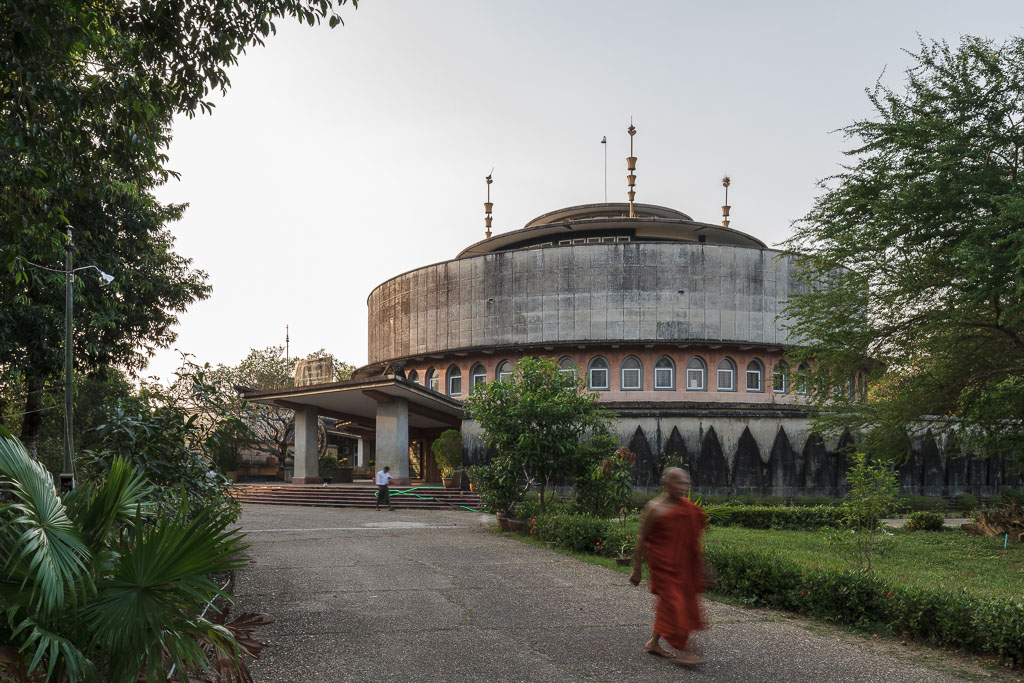
The book in its final design has now been officially submitted to the publisher. This concludes an important step of a journey that has taken almost two years to this day.
This is what Manuel’s been busy with…
The book in its final design has now been officially submitted to the publisher. This concludes an important step of a journey that has taken almost two years to this day.
This is what Manuel’s been busy with…
Japan’s initial success after the Second World War had a lot to do with the copying of Western technology. The economic miracle of the 1960s, however, rested on Japanese firms’ ever-increasing capability to innovate. The world was to get a taste of this when thousands of spectators visited Tokyo for the 1964 Olympic Games. Kenzo Tange’s Gymnasium provided a central venue of great symbolic power.
All photos by Manuel Oka (www.manueloka.com)
I have been living in D.C. for a good eight months now, and make a habit of zooming down Embassy Row when cycling into the centre. I always pass this abandoned building on my left, just a little past the British Embassy and its waving Winston Churchill statue. Why did I only find out yesterday that this is the former Iranian Embassy?
It is hard to conjure up a hotel building more emblematic than the Hotel Okura in Tokyo. In contrast to the Japanese avant-garde architecture of its days and the faceless corporate behemoths that came to dominate the city in the 1970s and ‘80s, this 1962 building synthesises traditional Japanese features with modernist architecture.
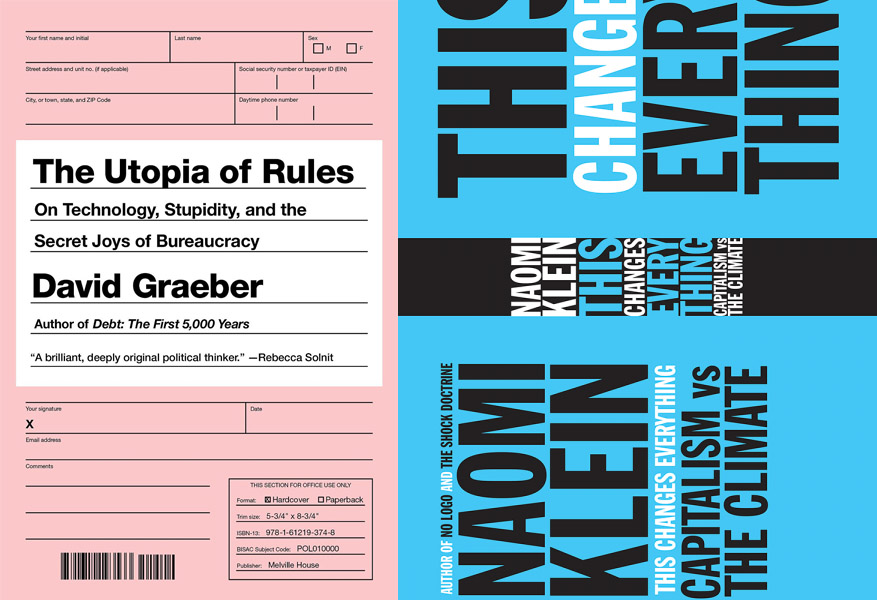
Reinier de Graaf of OMA wrote an article which beautifully builds bridges between architecture and Piketty’s theses on income inequalities. Time to reflect on some of this, almost exactly a year after I wrote my own review of the economist’s tome.
Neelam Cinema (Aditya Prakash), Chandigarh
One great building in Kampala is Uganda House. Built between 1969 and 1980, it houses the headquarters of the Uganda People’s Congress, the country’s once-dominant political party.
I came across this great website with photos from the centre of Fukuyama, Hiroshima Prefecture, principally taken around the city’s train station. They capture the essence of why visuals can be so powerful a tool to convey the changes that swept through postwar Japan.
1966 postcard with station area and castle in background
I have just returned from a two-week stint in Uganda visiting a dear friend. While exploring Kampala on foot, I managed to gather some material for a future publication. Herewith some impressions from the city.
View from Sheraton Hotel towards central Kampala, with new Bank of Uganda building in the centre
Despite all the work on the Yangon Architectural Guide, I managed to stick to a fairly regular posting schedule on my long-term Tumblr project. Time to look at some of the stats and features of the site.
To escape the (again) cold winter, we decided to hop on a plane and go to Nicaragua for a week in February. Nicaragua is probably one of the first foreign countries that came to my attention as a child. East Germany was a chief supporter of the Sandinistas in their fight against the Contras.
Cinema, Esteli