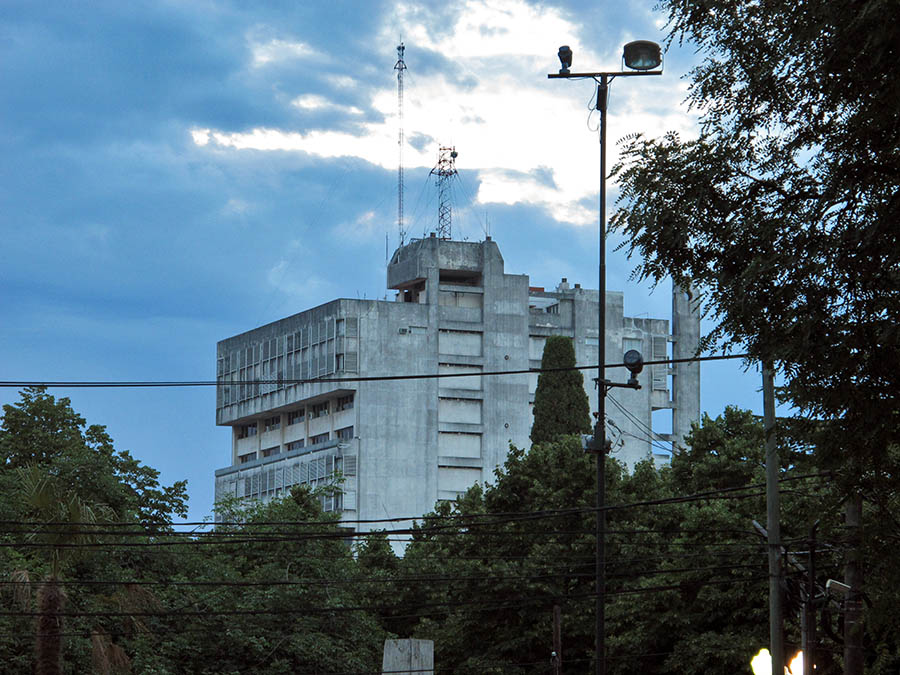
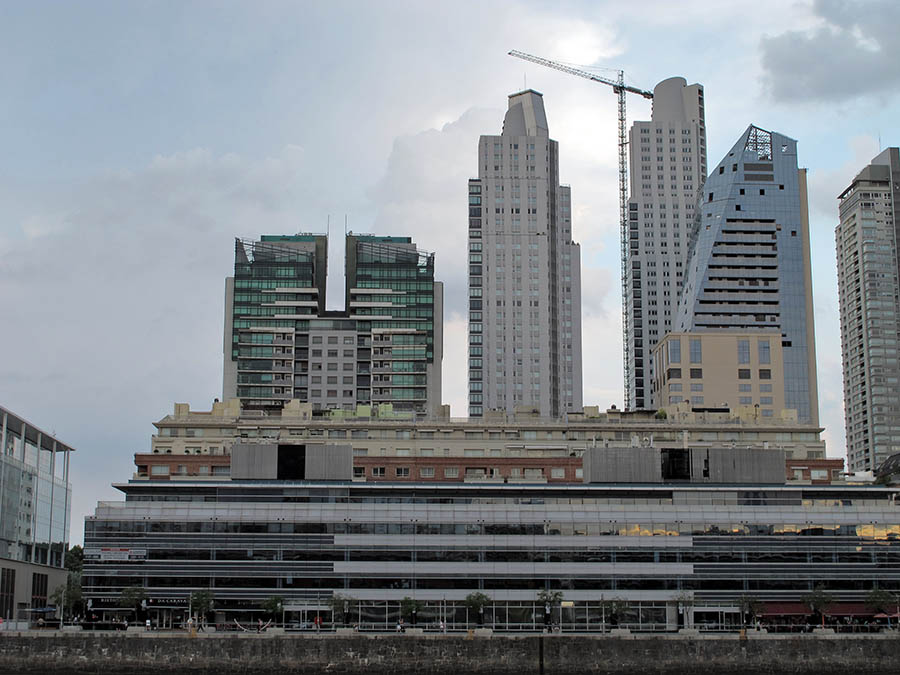
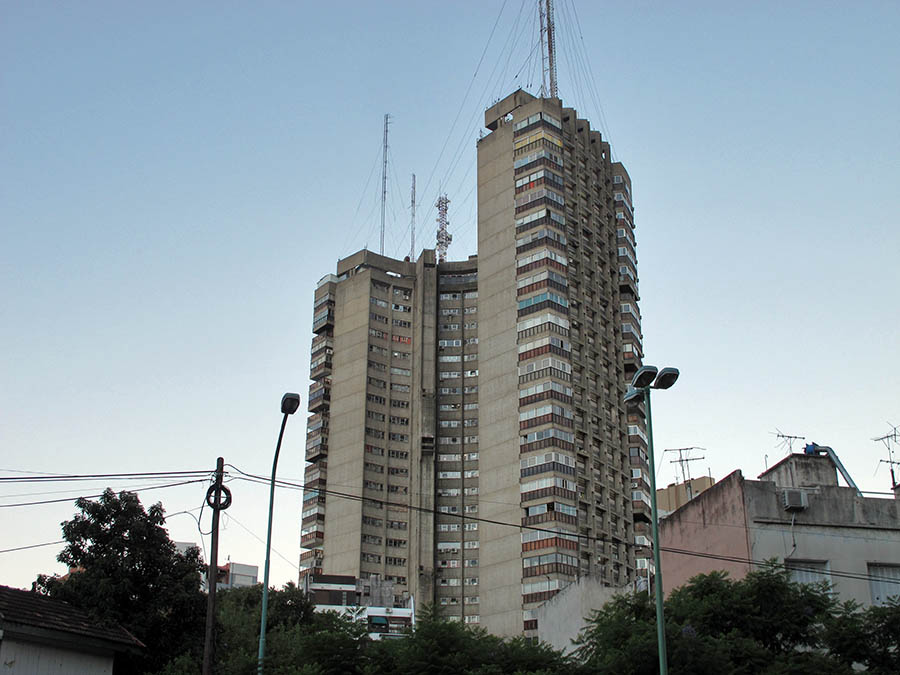
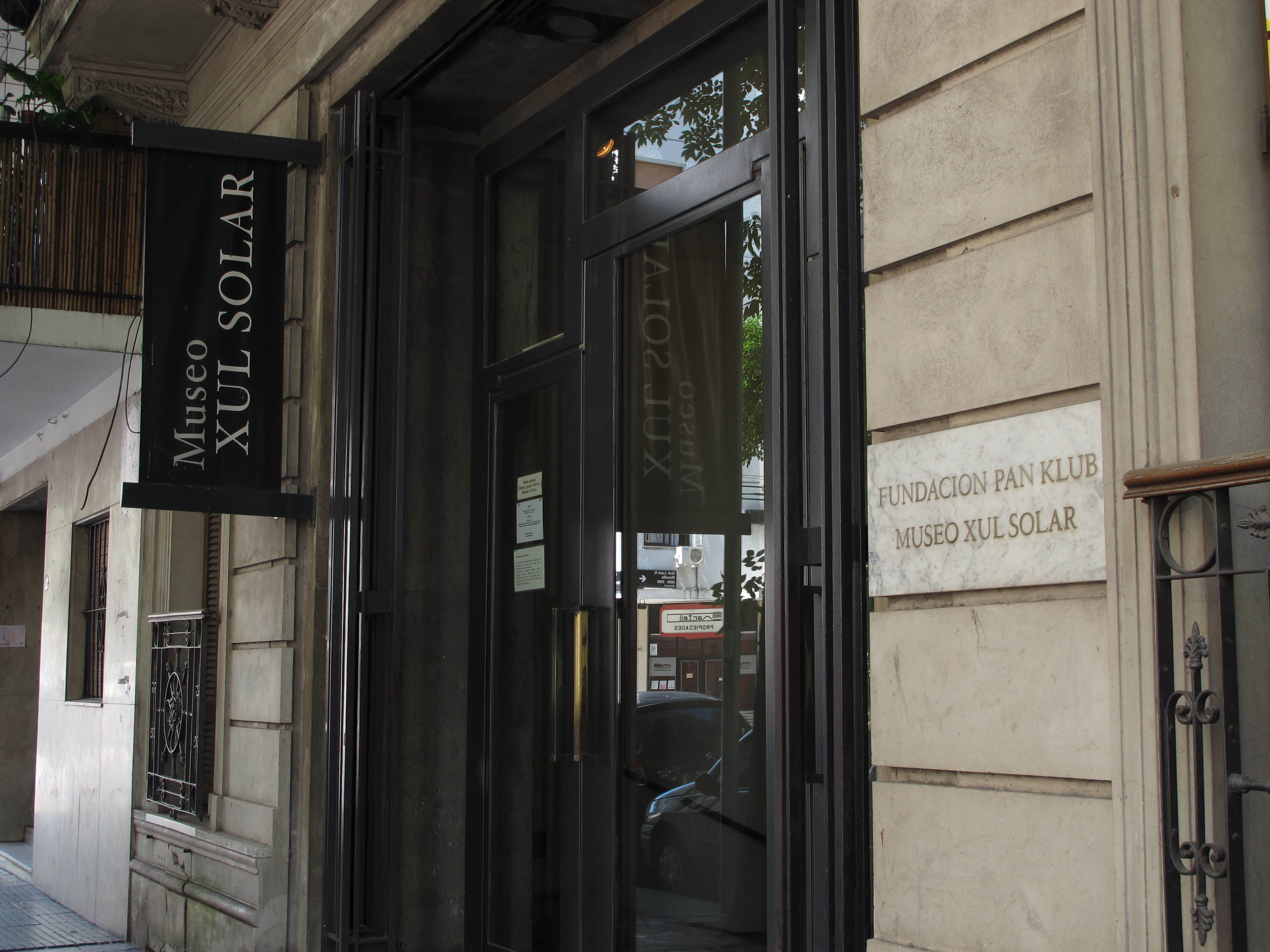
We checked out two modern art museums in San Telmo, Buenos Aires the other day. The Museo de Arte Contemporaneo de Buenos Aires (MACBA) and the neighbouring Museo de Arte Moderno de Buenos Aires (MAMBA) were, while almost completely empty, really worth the visit.
Sky High
Super-slender residential skyscrapers are taking to the skies south of Central Park. They are an increasingly brazen display of economic inequalities and a seizing of one of the world’s most distinctive skylines by the super-rich.
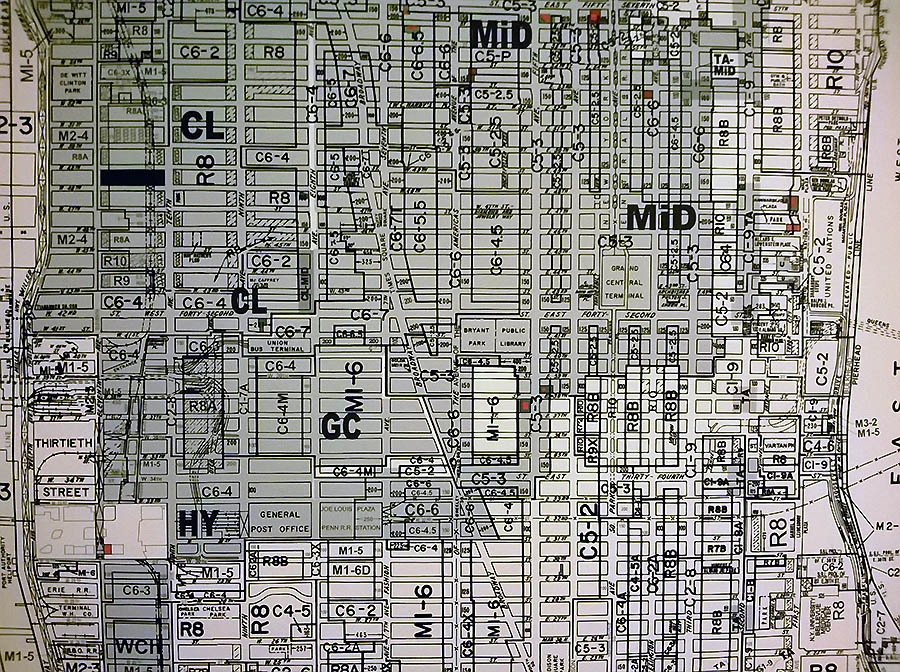
Midtown zoning plans on display at the Skyscraper Museum, New York
Harris, Hamilton and Japan
Two Americans with a base in Harlem have made their lasting imprint on modern Japan. Townsend Harris, the US’s first consul to Japan, single-handedly created bilateral relations between both countries after he had founded today’s City College of New York. Alexander Hamilton, long after his untimely death, inspired Meiji-era reformers in how to design economic policy. His house up in Hamilton Heights today serves as a great museum commemorating the man’s myriad achievements.
Commemorative plaque for Townsend Harris at City College of New York
Hiatus, update
It’s been a while since I last posted anything. There is really no sole reason to blame for this hiatus – just a variety of things coming together. To make use of the diary aspect of blogging and to bridge the time until my focus returns, herewith some personal updates and thoughts just ahead of the holidays.
Zooming along the Den-en-toshi Line
Tokyu Den-en-toshi Line
Japan is any rail buff’s heaven. The punctuality and efficiency of the trains is one thing, the sheer scale of the network another: 82 out of the world’s 100 busiest train stations are in Japan. The role private rail lines played in the post-war urbanisation of Tokyo is explored in the post below, using Tokyu’s Den-en-toshi Line as an example.
Den-en-toshi Line signage. Thanks to kawawa for taking the shot!
East Germany and Japan 2: economic cooperation
The 1980s are often described as the “lost decade” for much of the second and third world. East Germany was partly able to avoid economic malaise. That was partly the case because Japanese banks kept the tabs open while relations between the GDR and the East Asian miracle nation blossomed. Some further historical anecdotes after the jump.
Two icons of the 1980s GDR – Semperoper in Dresden and Mazda 323 parked to the far left next to more common vehicles Trabant, Lada, Skoda, and Wartburg; by Flickr user Felix O (creative commons)
East Germany and Japan 1: Kajima Corporation
Japan’s post-war rise is often mentioned in the same breath with Germany’s spectacular economic miracle – the “Wirtschaftswunder”. For someone born on the other side of the wall in East Berlin, it is interesting to read about the less-documented relationship between economic superstar Japan and socialist East Germany during the decades of the cold war. The first installment in a set of some anecdotes is about Kajima Corporation’s export of Japanese construction practices to Berlin, Leipzig and Dresden.
Hotel Merkur Leipzig model presentation by Kajima Corporation in 1978
American embassy housing
While in Tokyo we lived in a serviced apartment in Ark Hills, right next to Roppongi-itchome station. We could see the 1983 US embassy residences opposite Roppongi Dori from our windows. I found some pictures from before they were built. They illustrate how the area has changed since the war and bring back to life two historic buildings that occupied the site before. 30 Nov: Update at bottom of the post
September 1953 – Perry Apartments, left, with Harris Apartments on the right (Antonin Raymond), photograph from Gerald & Rella Warner Japan Slide Collection, reproduced with permission.
Economies of vastness
The New York Times ran an article about Kazakhstan’s rail network the other day. It made me think both of the country that I have had the pleasure of visiting frequently and a growing interest in the interdisciplinary world of spatial economics. Some hopefully related thoughts after the jump.
Kazakhstan rail wagon – in Kazan, Russia, by Flickr user Mikhail Shcherbakov (creative commons)
Social Impact Bonds
I don’t get many comments on this blog but one of the few I did get urged me to look at social impact bonds (SIBs). It came in response to a critical post I wrote on impact investing. SIBs are a potentially major instrument in impact investing in which payback is linked to a pre-defined (social) outcome. Most of them don’t deserve the name bond as they exhibit more option-like characteristics. But that is not the only source of my theoretical confusion surrounding SIBs.
Again for a lack of a better photo – view down Broad Street, downtown Manhattan