MACBA, MAMBA

We checked out two modern art museums in San Telmo, Buenos Aires the other day. The Museo de Arte Contemporaneo de Buenos Aires (MACBA) and the neighbouring Museo de Arte Moderno de Buenos Aires (MAMBA) were, while almost completely empty, really worth the visit.

macba01 Continue reading

Sky High

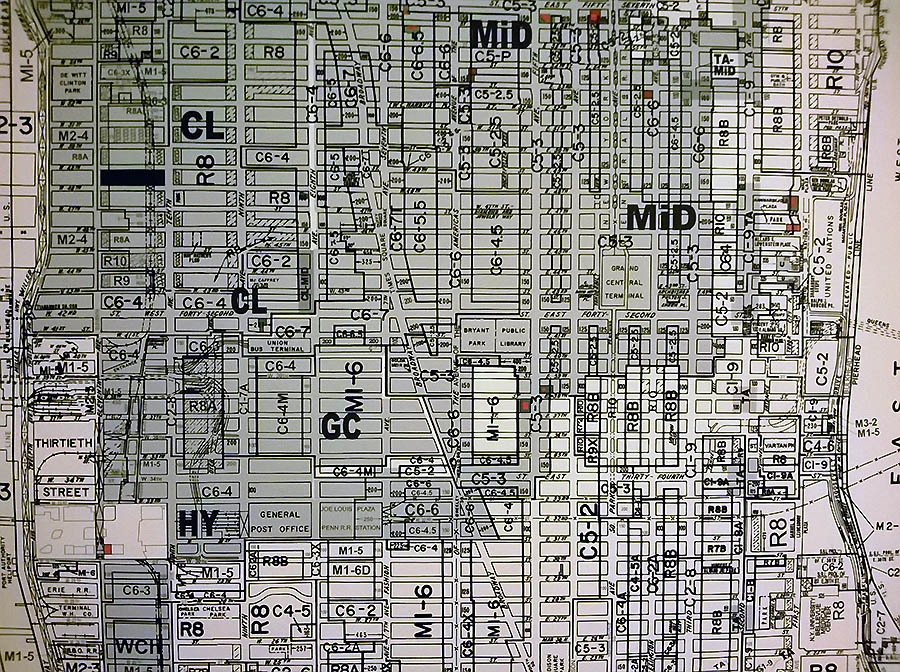
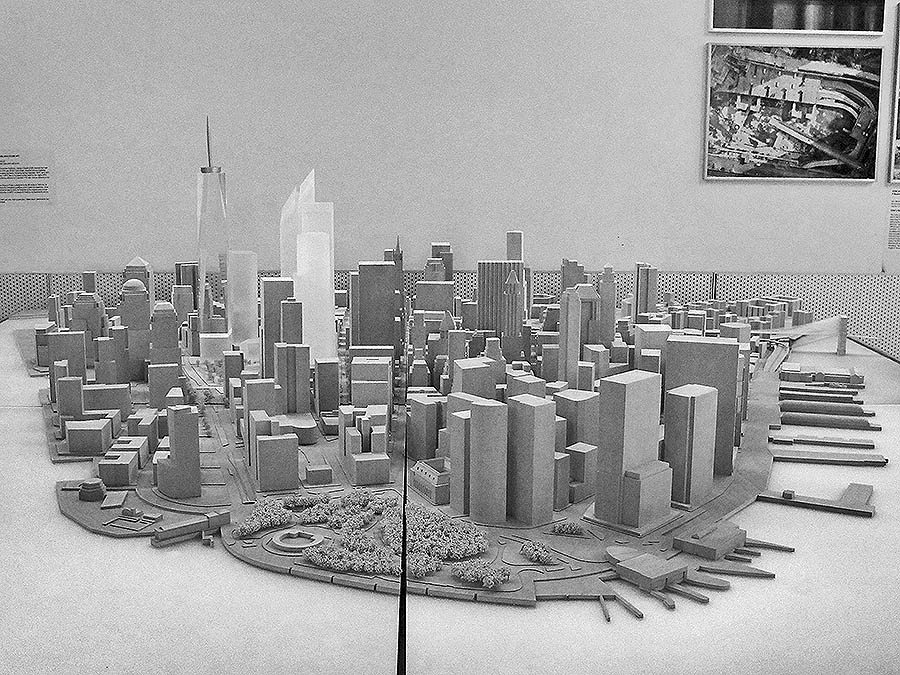
Super-slender residential skyscrapers are taking to the skies south of Central Park. They are an increasingly brazen display of economic inequalities and a seizing of one of the world’s most distinctive skylines by the super-rich.

slim08

Midtown zoning plans on display at the Skyscraper Museum, New York

Continue reading

Tokyu Den-en-toshi Line

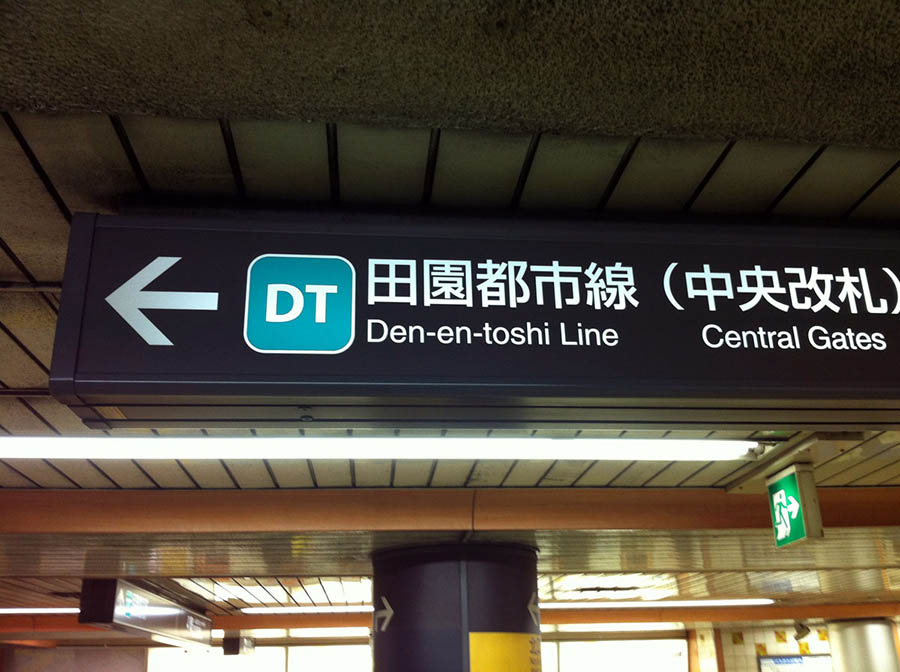
Japan is any rail buff’s heaven. The punctuality and efficiency of the trains is one thing, the sheer scale of the network another: 82 out of the world’s 100 busiest train stations are in Japan. The role private rail lines played in the post-war urbanisation of Tokyo is explored in the post below, using Tokyu’s Den-en-toshi Line as an example.

denentoshi01

Den-en-toshi Line signage. Thanks to kawawa for taking the shot!

Continue reading

East Germany and Japan 1: Kajima Corporation

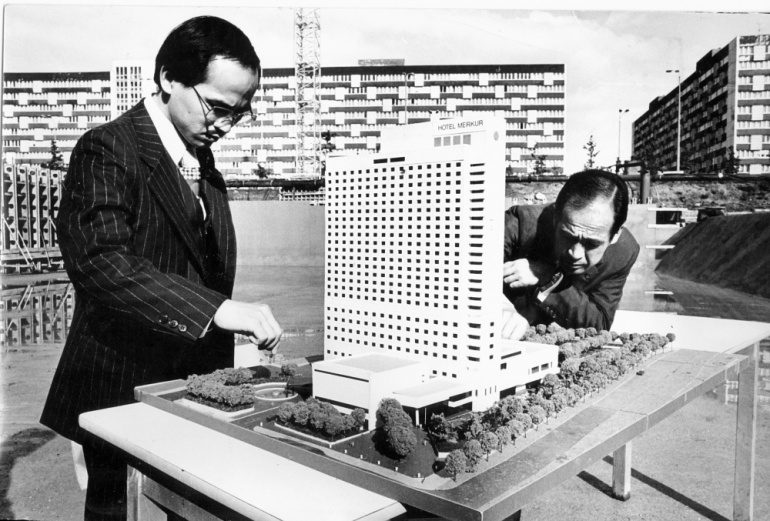
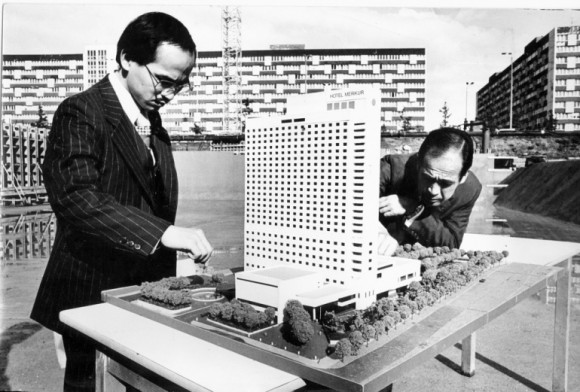
Japan’s post-war rise is often mentioned in the same breath with Germany’s spectacular economic miracle – the “Wirtschaftswunder”. For someone born on the other side of the wall in East Berlin, it is interesting to read about the less-documented relationship between economic superstar Japan and socialist East Germany during the decades of the cold war. The first installment in a set of some anecdotes is about Kajima Corporation’s export of Japanese construction practices to Berlin, Leipzig and Dresden.
hotelmerkur01

Hotel Merkur Leipzig model presentation by Kajima Corporation in 1978

Continue reading

American embassy housing

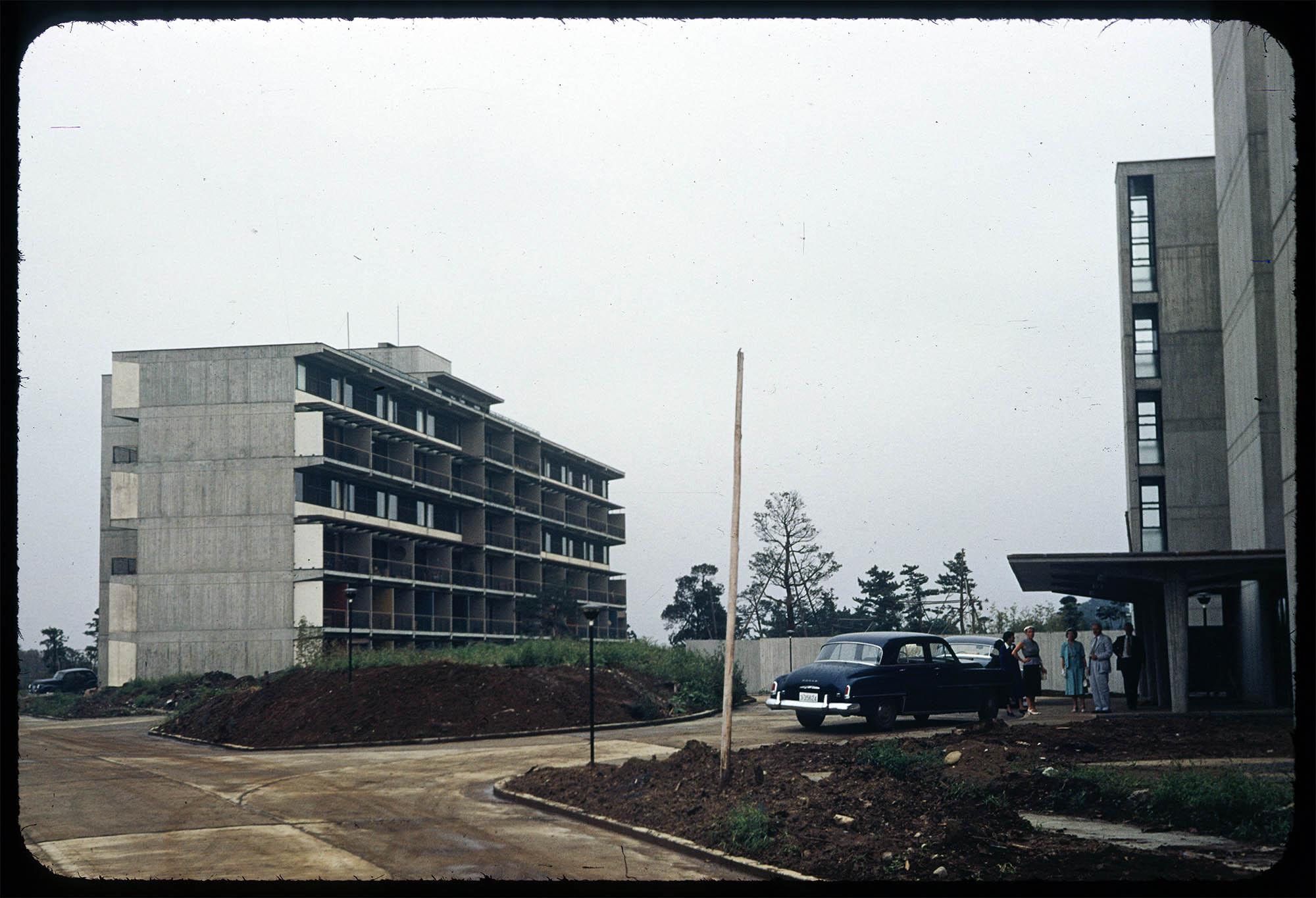
While in Tokyo we lived in a serviced apartment in Ark Hills, right next to Roppongi-itchome station. We could see the 1983 US embassy residences opposite Roppongi Dori from our windows. I found some pictures from before they were built. They illustrate how the area has changed since the war and bring back to life two historic buildings that occupied the site before. 30 Nov: Update at bottom of the post

embassy01

September 1953 – Perry Apartments, left, with Harris Apartments on the right (Antonin Raymond), photograph from Gerald & Rella Warner Japan Slide Collection, reproduced with permission.

Continue reading

History on Seventh Avenue

A stone throw away from where I live stand two buildings that occupy a special place in Harlem’s history. They are the First Corinthian Baptist Church on the southwest corner of 7th Avenue and 116th Street and Graham Court diagonally across the street. Theresa Hotel is another landmark building, nine blocks uptown on 7th Avenue and 125th Street.

grahamcourt Continue reading

Strivers’ Row

One of the stops on my Harlem-for-visitors tour is Stivers’ Row on West 138th and 139th Streets between Adam Clayton Powell Jr. Blvd and Frederick Douglass Blvd. Some photos and a little history after the jump.

striversrow02

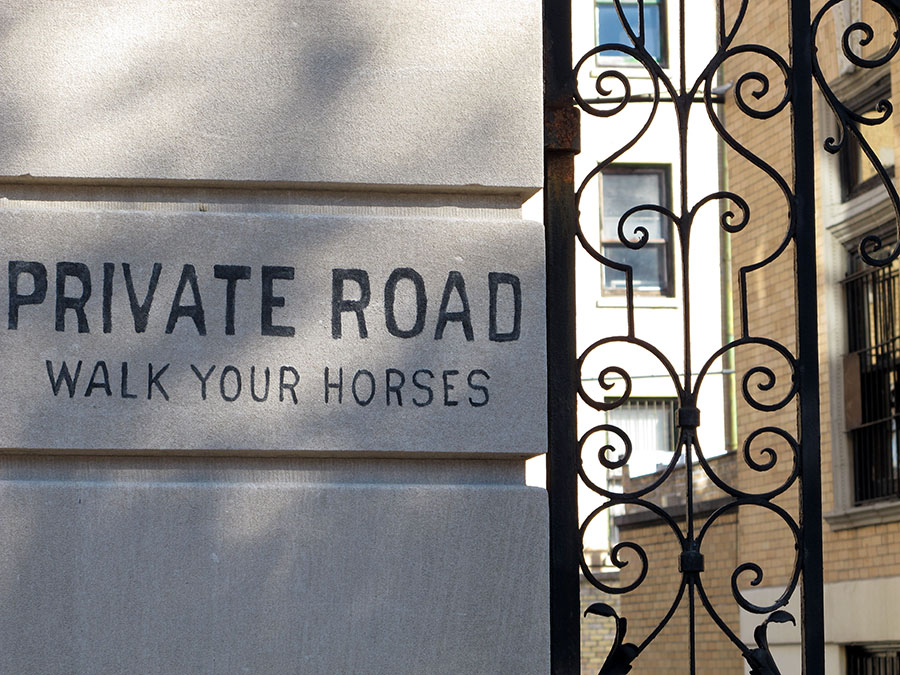
The courtyards acted as an alleyway with horse stables

Continue reading

Harlem housing projects

I took a short bike ride up north today and took a few photos of housing developments from the 1960s. A great long-form article for background to the current debate surrounding the New York City Housing Association can be read here.

esplanade01

Esplanade Gardens, boundaries West 145th Street, Lenox Avenue & West 148th Street and Adam Clayton Powell Jr Blvd

Continue reading