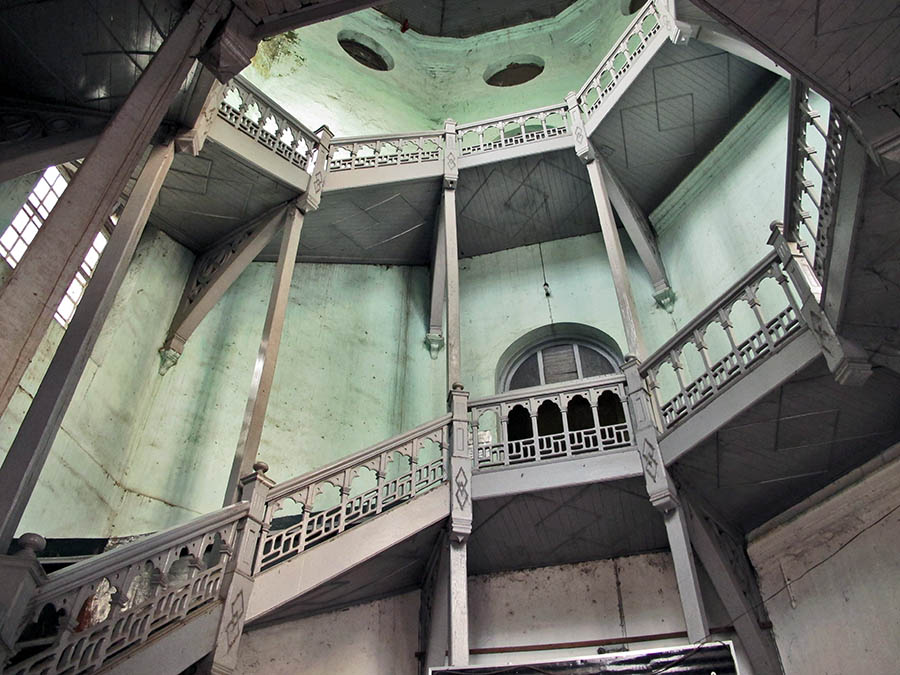
We have put up more teasers from our forthcoming Yangon Architectural Guide on our Tumblr and our Facebook pages. Herewith some of the highlights.
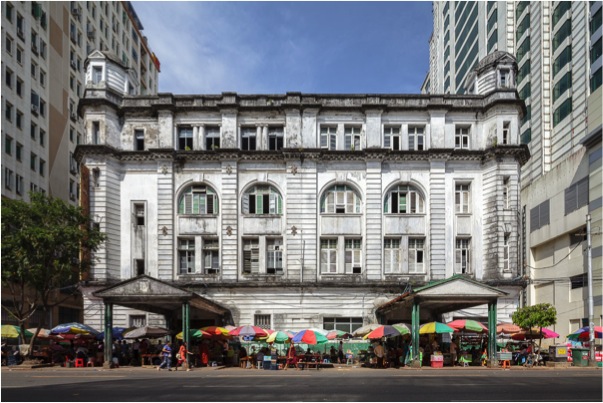
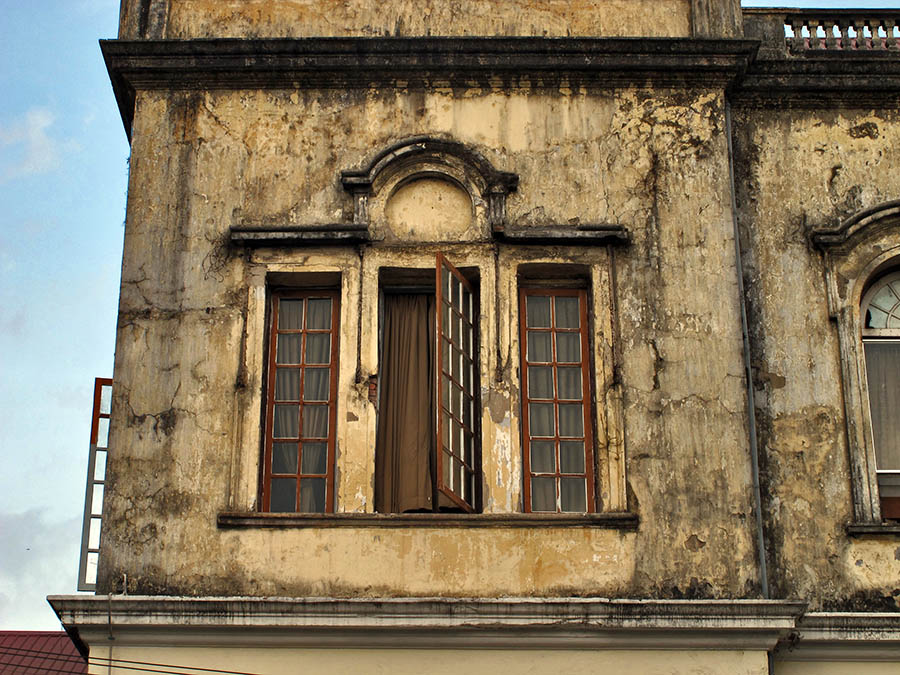
Balthazar’s Building (1905)
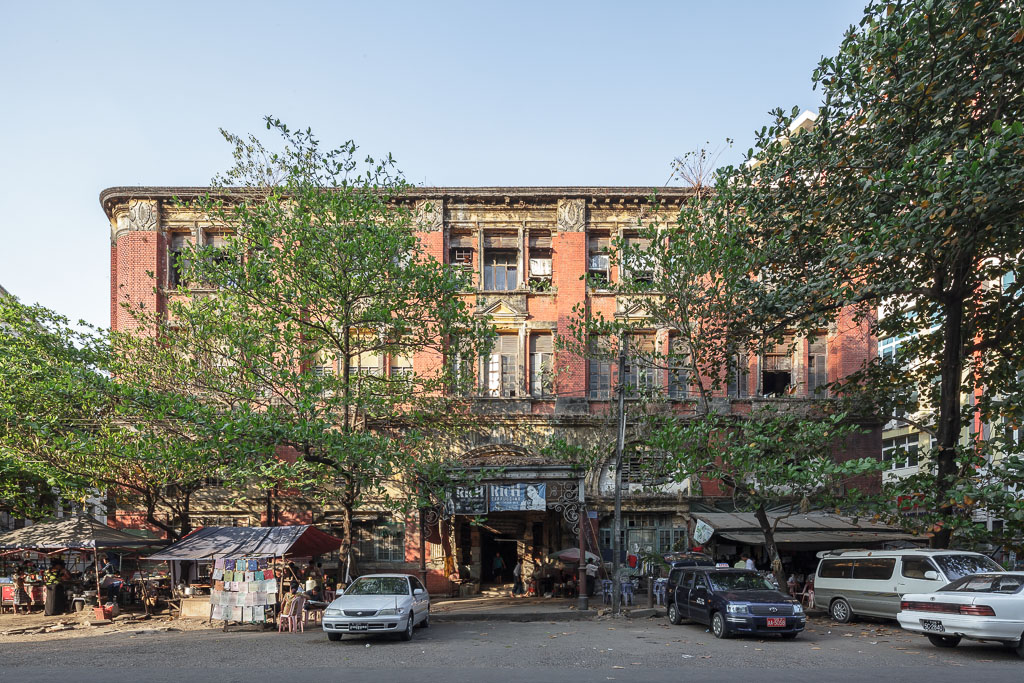
To kick off the crowdsourcing aspect of our Yangon Architecture Guide, we launched Tumblr and Facebook pages. We are initially featuring some of the lesser-known buildings, and have already received great comments from from an extremely gracious generous gentleman called Harry Hpone Thant. I paste some examples below the jump.
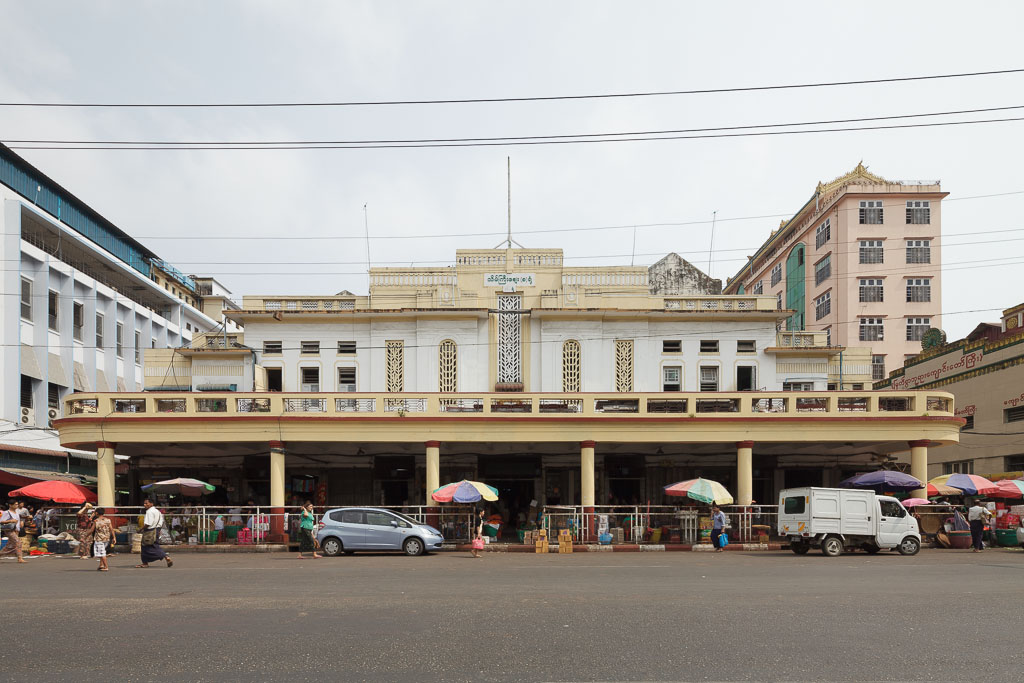
Thein Gyi Market
This blog has allowed me to structure my explorations of the past one and a half years. One particular project originated from these and is now taking up more and more of my time: My friend and photographer Manuel Oka and I are currently working on an architectural guide to Yangon.
Update 20 May 2014: My close friend Elliott Fox has agreed to come onboard to help write and edit the book. Elliott has travelled to Myanmar on numerous occasions both professionally and personally.
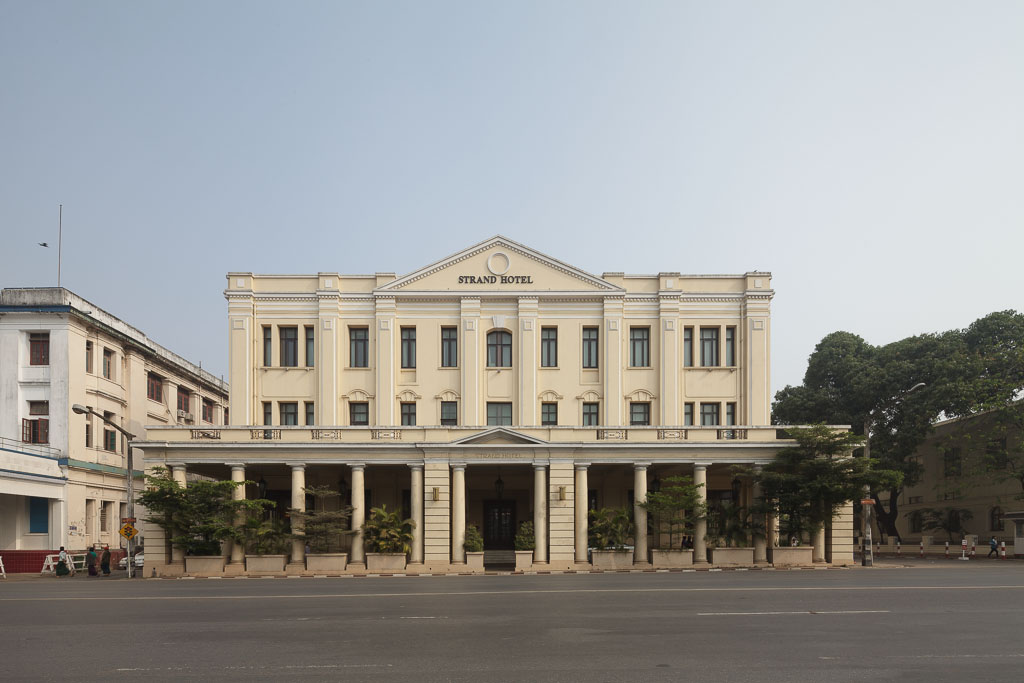
Strand Hotel – photo by Manuel Oka
The old colonial architecture (I wrote about it here) is one of Yangon’s greatest assets. Everywhere in the downtown area you are surrounded by the crumbling jewels from the old days, setting you off on a trip back in time. Alas, there does not seem to be a decent effort out there at making an appealing visual document of this amazing heritage.
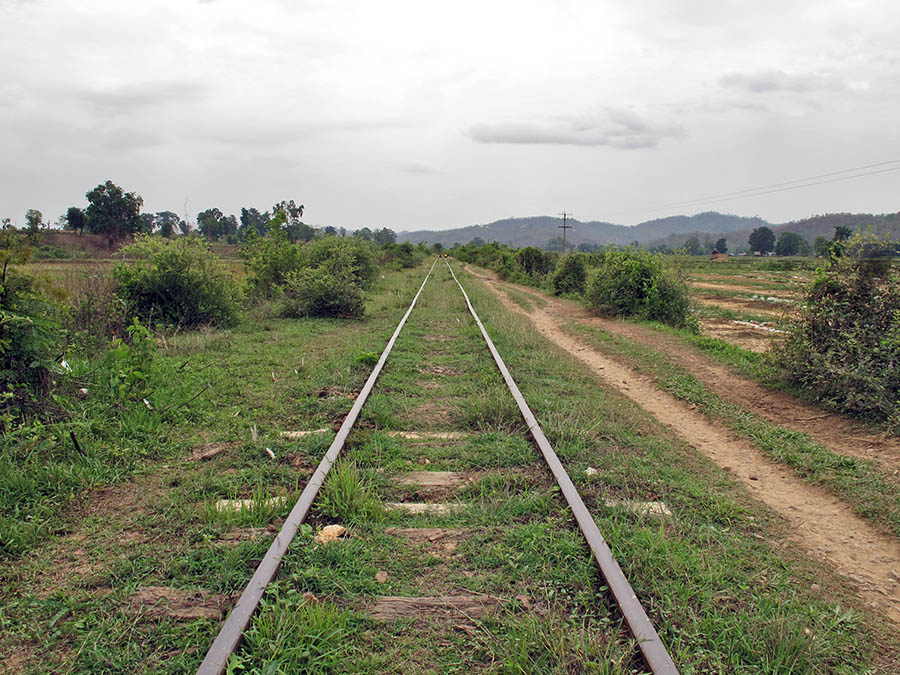
One of our trips inside Burma took us to Shan State in the country’s north. Starting off in Pyin Oo Lwin – or Maymyo as the British called the city – we made our way towards the princely town of Hsipaw. We took the train to get a change of scenery.
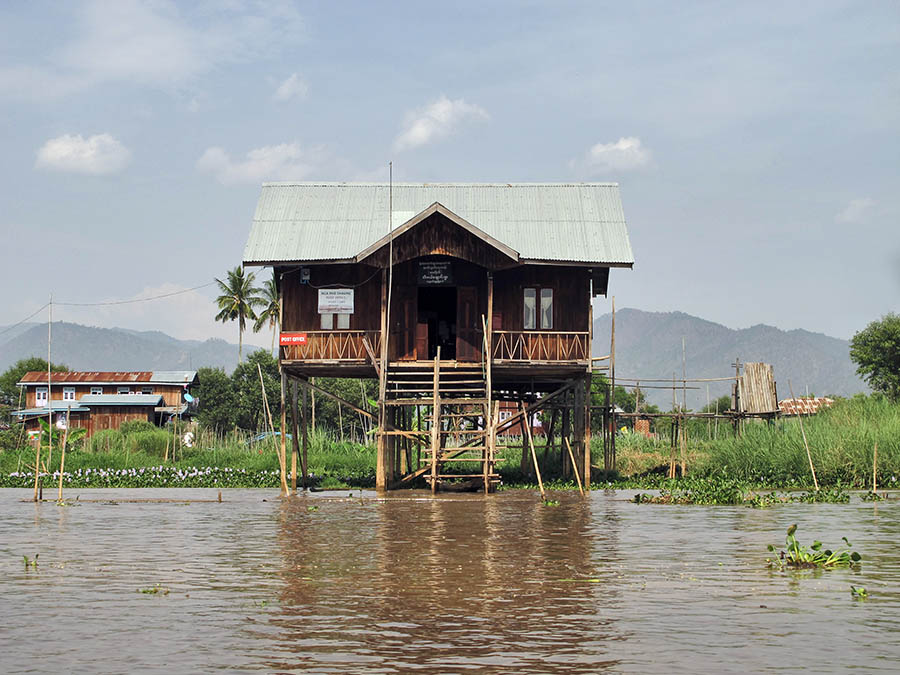
Most guidebooks list their three must-see tourist attractions in Burma as the Shwedagon Pagoda, the temples of Bagan, and Inle Lake. The latter was the last stop on our whirlwind tour through the country. As we visited off-season, water levels in this freshwater lake were low. The views from the boat were nonetheless extremely pretty.
Nga Phe Chaung post office on stilts
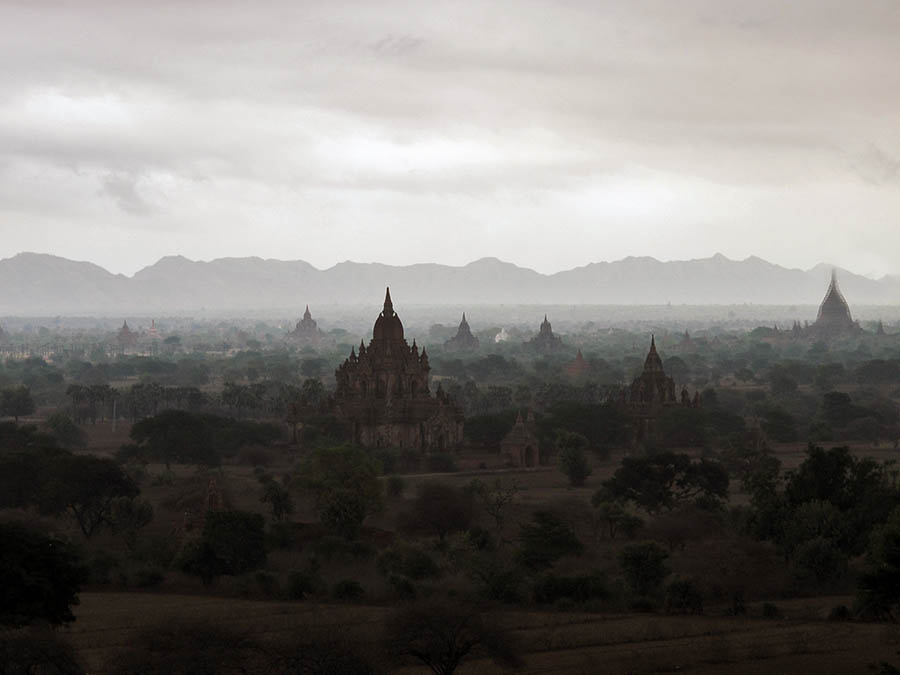
The ancient temples of Bagan are another highlight on Myanmar’s tourist trail. While not as known internationally as say Angkor Wat, the 2,000-odd temples that litter this 26-mile plateau in central Burma are no less impressive. Most of them date back to the 11-13th centuries AD and frequent earthquakes and general decay left many of them in a state of disrepair. Until Burma’s junta embarked on its controversial beautification project.
Continue reading
In preparation of my stay in Burma, I have been reading three books, mainly on the country’s politics and history. This post is meant both as a reminder to myself as well as a primer to those facing a similar task – how to get up to speed with this most fascinating place.
Yangon has plenty of dilapidated but more or less intact colonial-era architecture. Decades of international isolation saved the city from masses of overzealous real estate developers. As Burma is opening up, people have begun to wonder whether this heritage can be kept alive.
The Shwedagon Pagoda was the first of the major sights on our list in Rangoon. Both its dimensions and the lavish use of gold create an amazing ambience that make this one of the most spectacular examples of Buddhist architecture.